

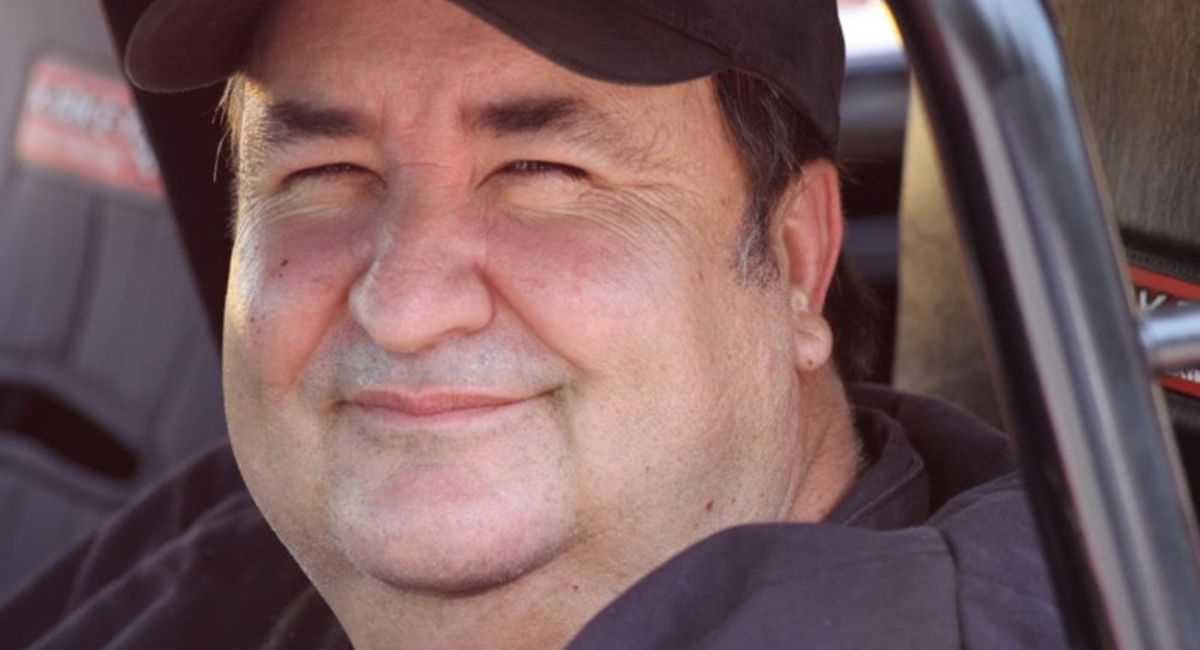
Don Baskin net worth rise from a passionate racer to a respected automotive tycoon is nothing short of remarkable. Best known for his massive 1,000+ vehicle collection, he has built an empire that blends business intelligence with a lifelong love for cars.
Discussions around Don Baskin net worth often focus on more than numbers—it reflects decades of smart decisions, calculated risks, and unwavering dedication. His success stretches beyond rare muscle cars into thriving truck dealerships and motorsports ventures that generate consistent revenue.
Based in Memphis, Baskin turned a personal passion into a powerful financial engine. As 2025 unfolds, interest in Don Baskin net worth continues to grow, driven by his expanding businesses, appreciating automotive assets, and enduring legacy built on faith, family, and hard work.
Don Baskin Profile Summary
| Category | Details |
| Full Name | Donald Rayburn Baskin |
| Date of Birth | November 18, 1949 |
| Birthplace | Memphis, Tennessee, USA |
| Age | 76 years old (as of 2025) |
| Nationality | American |
| Profession | Businessman, Car Collector, Former Drag Racer |
| Primary Business | Don Baskin Truck Sales |
| Secondary Business | Baskin Motorsports |
| Years in Business | Nearly 50 years |
| Car Collection Size | 1,000+ vehicles |
| Storage Space | 270,000 square feet |
| Annual Truck Sales | Approximately 3,600 units |
| Employees | 125+ workers |
| Racing Titles | 15 Drag Racing World Championships |
| Marital Status | Married to Beverly (since 1983) |
| Children | Four (Danielle, Ashley, Andrew, Donnie) |
| Estimated Net Worth | $100 million+ |
Don Baskin Wikipedia
Don Baskin doesn’t have an extensive Wikipedia entry yet, but his impact deserves recognition. Born in Memphis during 1949, he embodied the American Dream. His story began long before internet fame existed.
Traditional media occasionally featured his collection, but social media brought him mainstream attention.
His life revolved around three pillars: faith, family, and automobiles. At age 8, he accepted Jesus as his Savior—a decision that shaped everything afterward. Racing entered his world at 16, igniting a lifelong obsession.
By 1973, he competed at Lakeland International Raceway, launching a 25-year racing career that netted fifteen world championships.
The Memphis businessman understood timing perfectly. He started Don Baskin Truck Sales when America’s construction industry boomed. Mixer trucks, dump trucks, and sleepers became his specialty.
The business thrived because he knew his market intimately. Agricultural and construction companies needed reliable vehicles, and he delivered.
His automotive empire expanded naturally from there. Baskin Motorsports emerged from his racing background, selling engines, transmissions, and racing equipment sales to competitors nationwide.
This dual approach—trucks and tracks—created multiple revenue streams that protected him during economic downturns.
Who is Don Baskin?

Don Baskin represents what happens when passion meets business acumen. He’s not your typical collector sitting on inherited wealth.
Everything he built came from hard work and strategic thinking. His 1000+ car empire started with a single race car—a Grumpy Jenkins ’69 Nova Pro Stock.
That first vehicle sparked something deeper. Racing taught him about performance, mechanics, and value. He learned which cars mattered and why.
This knowledge became invaluable when building his collection. He didn’t chase every shiny object. Instead, he targeted vehicles with historical significance or emotional connection.
His reputation in automotive circles grew organically. Fellow collectors respected his judgment. Racers trusted his equipment.
Business partners valued his integrity. This network effect amplified his success, opening doors to exclusive deals and rare finds.
The Memphis businessman also understood community responsibility. He coached Little League for 32 years, taking one team to the World Series in 1983.
Former players often got their first jobs through his companies. Many embraced faith after his mentorship. These relationships mattered more than any car.
Personal Life & Philanthropy: The Man Behind The Achievements
Don Baskin’s personal journey reveals the character behind the capital. His marriage to Beverly in 1983 created a 41-year partnership built on mutual respect.
She wasn’t just a wife—she was a business partner who managed assets and provided strategic guidance. Their combined efforts strengthened the family-owned business legacy considerably.
Philanthropy flowed naturally from his values. After receiving a double-lung transplant in 2008, he dedicated himself to Tennessee Donor Services.
He shared his organ donation story publicly, encouraging others to register as donors. This advocacy saved countless lives beyond his own.
His coaching extended beyond baseball diamonds. Young people learned about perseverance, teamwork, and integrity through his mentorship.
He didn’t preach—he demonstrated. His actions spoke louder than words, creating ripple effects that touched entire communities.
Educational Background and Professional Growth
Don’s educational path wasn’t traditional. He learned through doing rather than formal classrooms. The streets, racetracks, and dealerships became his universities. Practical experience taught him more than any textbook could.
College
Details about college attendance remain scarce in public records. Many successful entrepreneurs from his generation built empires without degrees. Don likely focused on immediate opportunities rather than extended education. His real-world MBA came from operating businesses, managing people, and navigating market cycles.
Technical knowledge came from racing and mechanics. He understood engines intimately—how they worked, what made them valuable, and how to maintain them.
This expertise translated directly into his automotive investment portfolio decisions. When evaluating classic and vintage cars, he knew what separated junk from jewels.
Personal Life and Relationships for Don Baskin
Relationships defined Don’s journey as much as business success. His faith-driven business values meant treating people right always.
Employees weren’t just workers—they were family members deserving respect and fair compensation. This approach created loyalty that money couldn’t buy.
His marriage exemplified partnership in its truest form. Beverly managed household affairs while contributing to business strategies.
She understood his passion for cars and supported the collection’s growth. Their teamwork allowed both personal and professional success to flourish simultaneously.
Friendships within automotive communities strengthened over decades. Fellow collectors became confidants.
Racing competitors evolved into business partners. These relationships provided access to rare vehicles and insider knowledge that enhanced his rare muscle cars collection significantly.
Don Baskin Family
Family anchored everything Don built. His wife Beverly stood beside him through health scares, business challenges, and triumphant moments. Their children witnessed firsthand how dedication and integrity create lasting success. This modeling taught lessons no classroom could replicate.
The loss of their son Donnie tested the family’s resilience deeply. Yet they supported each other through grief, emerging stronger. This tragedy reinforced what mattered most—time together, shared experiences, and unconditional love.
Don Baskin Wife
Beverly Baskin deserves recognition beyond her role as spouse. She contributed substantively to the family-owned business legacy through financial management and strategic planning.
Their 41-year marriage weathered storms that broke weaker partnerships. Don’s health crisis in 2007, when diagnosed with Idiopathic Pulmonary Fibrosis, tested them severely.
The 2008 double-lung transplant brought uncertainty and fear. Beverly remained steadfast, managing household and business responsibilities while supporting his recovery.
Don Baskin Children
Don and Beverly raised four children who learned valuable lessons from their parents’ example. Danielle, Ashley, and Andrew witnessed their father’s dedication to both business and community. They saw him balance demanding work schedules with Little League coaching commitments.
The children understood success required sacrifice. Late nights at the dealership, weekend racing events, and constant vehicle acquisitions shaped their childhood. Yet Don prioritized family dinners and quality time despite business demands.
Career

Don’s career trajectory followed an unconventional path. He started racing at 16, competing for 25 years and winning fifteen drag racing championships.
This wasn’t mere hobby racing—he competed at professional levels against serious talent. These victories established credibility within automotive circles that later benefited his business ventures.
Don Baskin Truck Sales launched nearly 50 years ago, targeting construction and agricultural markets. His timing proved impeccable.
Post-war America was building highways, homes, and infrastructure rapidly. Demand for commercial trucks exploded, and he positioned himself perfectly to capitalize.
The dealership’s success stemmed from understanding customer needs intimately. Contractors didn’t want fancy features—they needed reliable workhorses.
Don provided exactly that, building trust through consistent quality and service. Word-of-mouth marketing expanded his customer base organically.
Baskin Motorsports emerged as a natural extension. His racing background gave him insights into what competitors needed.
He knew which engines performed best, which transmissions lasted longest, and which parts delivered value. This knowledge translated into racing equipment sales that served customers nationwide.
Building the Empire: From Teenage Truck Dealer to Business Mogul
Don’s transformation from teenage racer to business mogul wasn’t accidental. Strategic decisions compounded over decades created his empire.
He recognized opportunities others missed and executed plans while competitors hesitated. His truck dealership revenue grew consistently because he adapted to market changes.
The commercial truck sales industry experiences cyclical fluctuations tied to economic conditions. During booms, construction companies buy aggressively.
During recessions, they hoard cash. Don navigated these cycles by maintaining lean operations and strong customer relationships. Loyal clients returned repeatedly because he treated them fairly always.
How his car empire influences his financial status
His 1000+ car empire functions as both a passion project and investment vehicle. Unlike most collections that drain resources, Don’s appreciates substantially.
Classic and vintage cars outperform many traditional investments when selected wisely. His expertise ensures he acquires vehicles with genuine appreciation potential.
The collection also generates indirect benefits. Media attention attracts customers to his dealerships. Automotive enthusiasts visit Memphis specifically to see his warehouse.
Some become truck buyers. Others purchase racing equipment sales through Baskin Motorsports. This synergy between collection and commerce strengthens both.
Storage facilities housing the collection span approximately 270,000 square feet—essentially private museums.
Inside the 1000+ Car Collection

The Don Baskin car collection represents more than automotive history—it’s a carefully curated automotive investment portfolio.
Each vehicle earned its place through historical significance, emotional connection, or appreciation potential. This isn’t hoarding; it’s strategic asset allocation in a unique market.
Walking through his warehouses feels like time traveling through automotive evolution. Vehicles arranged by make and model create stunning visual displays.
Types of cars in the collection
| Car Type / Category | Estimated Quantity | Notable Examples |
| Chevrolet Camaros | 80+ | 1967 Camaro (3rd ever built), COPO Camaros |
| Chevrolet Novas | ~20 | Grumpy Jenkins ’69 Nova Pro Stock |
| Chevrolet Corvettes | ~20 | Multiple classic and performance models |
| Dodge Hellcats | ~25 | High-performance modern muscle cars |
| Buick Grand Nationals | ~10 | Rare turbocharged muscle cars |
| Pontiac GTO Judges | 2 | 1969 GTO Judge (including rare convertible) |
| Chevrolet Impala SS | 1 | 1967 Impala SS427 Convertible |
| Lincoln Continental | 1 | JFK Presidential Staff Car (1961) |
| Drag Racing Cars | Multiple | Championship-winning race vehicles |
| Classic & Vintage Cars | Hundreds | Ford, Oldsmobile, Volkswagen, Peterbilt |
Rare and high-value vehicles
The crown jewels of Don’s collection command attention immediately. The 1967 Camaro third built stands as perhaps his most historically significant piece.
Being the third vehicle off the assembly line gives it provenance few cars possess. Original components remain intact, preserving authenticity that collectors prize.
COPO Camaros represent another collection highlight. These special-order vehicles featured performance upgrades not available through standard channels.
An untouched 1969 COPO Camaro sits in pristine condition, its value appreciating annually as survivors become rarer.
The JFK presidential Lincoln Continental from 1961 carries historical weight beyond automotive circles. Owning such a piece connects Don’s collection to American history broadly.
His father’s 1967 Impala SS427 convertible holds deep emotional value. Don’s father ordered this specific configuration, making it one of only two ever produced.
Family connection adds layers of meaning that money cannot quantify. This vehicle will never sell regardless of offers.
A pair of unrestored 1969 GTO Judges, including a rare convertible model, showcase Pontiac’s muscle car peak.
These vehicles remain original, untouched by restoration efforts that sometimes diminish value. Collectors increasingly prefer original paint and components over restored perfection.
Storage facilities and display setup
Housing over 1,000 vehicles requires massive infrastructure. Don’s two warehouses total approximately 270,000 square feet, though some estimates suggest 400,000 square feet.
Regardless of exact figures, the scale resembles commercial operations more than personal collections.
The setup mimics professional museums rather than cluttered garages. Vehicles are arranged by manufacturer and model, creating coherent sections.
Lighting highlights key features. Climate control protects investments from humidity and temperature fluctuations. These aren’t just storage buildings—they’re preservation facilities.
Security systems protect against theft and vandalism. Insurance requirements for collections of this value demand professional-grade protection.
These gatherings strengthen community bonds while showcasing his collection to broader audiences. Word spreads organically when visitors share experiences online.
How the collection grew over time
Don’s collecting journey began at 16 when racing captured his imagination. His first race car, that of Grumpy Jenkins ’69 Nova Pro Stock, remains in the collection after all these years. This vehicle represents where everything started—a tangible reminder of humble beginnings.
Growth accelerated as business success provided capital for acquisitions. Each profitable year at Don Baskin Truck Sales enabled new purchases.
Unlike collectors who buy impulsively, Don researched thoroughly. He targeted vehicles with stories, provenance, or unique characteristics that justified premium prices.
Relationships within automotive communities facilitated rare finds. Collectors knew Don paid fairly and preserved vehicles properly.
When the owners decided to sell, they contacted him first. This reputation gave him first refusal rights on collections that never reached public markets.
From Trucks to Tracks: The Business Behind the Fortune
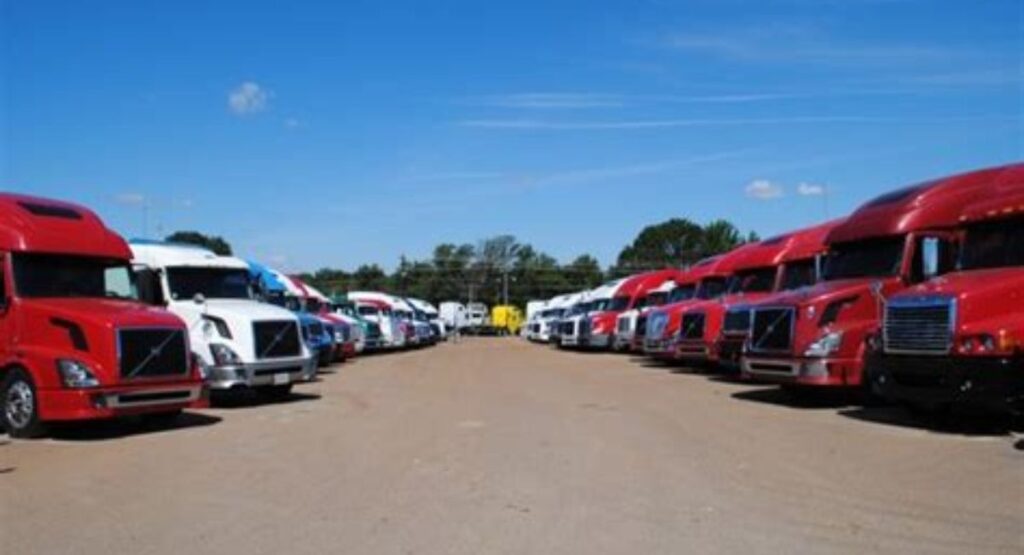
Don Baskin net worth ultimately derives from successful business operations rather than inheritance or luck. His dual approach—commercial trucks and racing equipment—created diversified income streams that weathered economic storms.
His business philosophy emphasized long-term relationships over quick profits. Customers became partners invested in mutual success.
Employees received fair compensation and respect, generating loyalty that reduced turnover costs. Suppliers trusted his word, facilitating better terms and exclusive access to inventory.
Don Baskin Truck Sales and its growth
Don Baskin Truck Sales has operated for nearly half a century, surviving multiple recessions and industry disruptions. Annual revenues range between $10-100 million, though exact figures remain private.
The company specializes in mixer trucks, dump trucks, sleepers, and water trucks serving construction and agricultural markets.
The dealership sold approximately 3,600 trucks in 2025 alone—a remarkable figure demonstrating market trust. These aren’t small sales either.
Commercial trucks cost substantial amounts, with specialized configurations pushing prices higher. This volume generates significant revenue even with modest profit margins.
Baskin Motorsports and racing equipment sales
Baskin Motorsports leveraged Don’s 25-year racing career and fifteen drag racing championships. This credibility attracted customers seeking expert guidance on performance modifications.
The business model mirrored his truck operations: buy, sell, and service. Race cars, engines, transmissions, and miscellaneous parts moved through the facility regularly.
Unlike typical dealerships focusing on new equipment, racing equipment sales included used components from retiring racers.
Employment and economic effect
Don’s businesses employ approximately 125 workers, supporting families throughout the Memphis region. These aren’t minimum-wage positions either.
Financial administrators at Don Baskin Truck Sales earn around $132,153 annually—well above national averages. Administrative assistants receive approximately $15.88 hourly, providing livable wages.
Benefits extend beyond direct employment. Suppliers depend on his consistent orders. Service providers maintain his facilities.
Restaurants near his locations benefit from employee lunch traffic. Economic impact ripples through communities in ways difficult to quantify completely.
Physical Appearance of Don Baskin
| Attribute | Details |
| Age | 76 years old (born November 18, 1949) |
| Height | Approximately 5’10” (estimated) |
| Weight | Unknown (varied over lifetime) |
| Build | Average/Athletic in younger years |
| Hair Color | Gray/White (in later years) |
| Eye Color | Not publicly documented |
| Distinguishing Features | Warm smile, approachable demeanor |
| Health Status | Double-lung transplant recipient (2008) |
Don Baskin Age
Don lived 76 years before his passing, born on November 18, 1949. His generation witnessed tremendous automotive evolution—from carbureted engines to computer-controlled systems.
Don Baskin Weight
Specific weight information isn’t publicly available. His health journey, particularly the double-lung transplant, likely affected his physical condition. Idiopathic Pulmonary Fibrosis and subsequent surgery would impact any person’s body composition significantly.
Don Baskin Height
Don stood approximately 5’10” based on available photos and descriptions. Average height for his generation, nothing particularly notable. Physical stature never defined him—his character and accomplishments spoke volumes.
Don Baskin Religion
Faith anchored Don’s entire existence. He accepted Jesus as his Savior at age 8, a decision that shaped every subsequent choice. His faith-driven business values weren’t marketing—they represented genuine conviction about right and wrong.
His health crisis tested faith severely. Facing death from Idiopathic Pulmonary Fibrosis forced confronting mortality. The 2008 double-lung transplant brought uncertainty and fear.
Yet faith sustained him through surgeries, recovery, and rehabilitation. He emerged determined to help others through Tennessee Donor Services.
Don Baskin Ethnicity
Don Baskin was Caucasian American, born and raised in Memphis, Tennessee. His Southern roots influenced his business approach—relationships mattered more than transactions.
The South’s car culture, particularly muscle car appreciation, aligned perfectly with his collection focus. Geography and ethnicity created advantages he leveraged intelligently.
Don Baskin Photos
Photographs of Don typically show him surrounded by vehicles. His smile radiates genuine joy when discussing cars.
Warehouse photos reveal the collection’s massive scale—rows of pristine automobiles stretching endlessly. These images capture not just possessions but a lifetime’s passion materialized.
How Much is Don Baskin Net Worth?
Don Baskin net worth likely exceeded $100 million by 2025, though exact figures remain private. His wealth accumulated through multiple channels: truck dealership revenue, racing equipment sales, automotive investment portfolio appreciation, and real estate.
Valuing his 1000+ car empire presents challenges because classic car markets fluctuate. Conservative estimates suggest his rare muscle cars collection alone exceeds $50 million.
Certain vehicles like the 1967 Camaro third built and JFK presidential Lincoln Continental could fetch seven figures individually at auction.
Business valuations add substantially. Don Baskin Truck Sales generating $10-100 million annually with established customer bases and prime real estate would sell for significant multiples.
Real estate holdings include the 270,000-square-foot warehouse facilities housing his collection. Memphis commercial property, while less expensive than coastal markets, still represents substantial assets.
Don Baskin Net Worth 2026
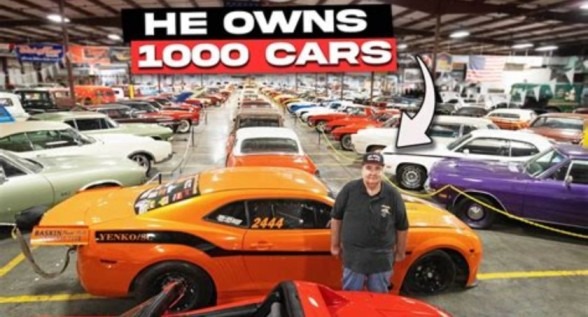
Don Baskin net worth 2025 and projections for 2026 suggested continued growth before his passing. His collection’s value appreciated as classic and vintage cars became increasingly scarce.
Baby Boomers with disposable income drove collector markets higher, benefiting holders of premium inventory.
Business operations remained solid. Construction activity continued strong in Tennessee and surrounding states, driving truck dealership revenue.
Don Baskin Net Worth Sources
Multiple revenue streams created Don’s wealth:
Primary Source: Don Baskin Truck Sales – This nearly 50-year-old operation generated the most consistent income. Annual sales of 3,600 trucks at average prices created substantial revenue. Even modest margins on that volume produce significant profits.
Secondary Source: Baskin Motorsports – Racing equipment and vehicle sales supplemented truck revenue. While smaller than the primary business, racing equipment sales carried higher margins on specialized components that racers needed.
Tertiary Source: Car Collection Appreciation – His automotive investment portfolio appreciated significantly over decades. Vehicles purchased for thousands now worth hundreds of thousands created paper wealth. Some were sold strategically when opportunities arose.
Real Estate Holdings – Commercial properties housing his businesses and collection appreciated alongside general market trends. Memphis real estate, while affordable compared to coastal markets, still generated solid returns.
Investments and Savings – Prudent financial management over decades allowed accumulation beyond business assets. Diversified portfolios protect wealth through market cycles.
Don Baskin Net Worth Breakdown
| Asset Category | Estimated Value |
| Car Collection (1,000+ vehicles) | $50-80 million |
| Don Baskin Truck Sales (business value) | $20-40 million |
| Baskin Motorsports (business value) | $5-10 million |
| Real Estate Holdings | $10-20 million |
| Investment Portfolio | $5-15 million |
| Personal Property & Other Assets | $5-10 million |
| Total Estimated Net Worth | $95-175 million |
Don Baskin Salary
Traditional salary concepts don’t apply to business owners like Don. Instead of receiving paychecks, he drew distributions from company profits. These amounts fluctuated based on business performance and personal needs.
Don Baskin Annual, Monthly and Daily Income
Estimating Don’s income requires analyzing business performance. If Don Baskin Truck Sales generated $50 million annually with 10% profit margins, that’s $5 million profit. As owner, substantial portions flowed to him after reinvestment and operating expenses.
Annual Income: Likely $3-8 million from all sources combined. This includes truck sales profits, racing equipment sales margins, collection liquidations, and investment returns.
Monthly Income: Approximately $250,000-650,000 averaged across twelve months. Some months exceeded this substantially when large transactions closed or rare vehicles were sold.
Daily Income: Roughly $8,000-22,000 per day on average. This breaks down to $333-917 hourly if calculated continuously. Of course, actual cash flow varied dramatically day-to-day.
Other Sources of Income
Beyond primary businesses, Don earned through vehicle appreciation. A COPO Camaro purchased for $30,000 three decades ago might fetch $300,000 today. That $270,000 gain represents income when realized through sale.
Facility tours and media appearances generated modest income. Magazines paid for photo shoots. Television shows compensated for filming access. While not substantial relative to business income, these amounts added incrementally.
Consulting and expert testimony leveraged his knowledge. Legal cases involving classic car valuations or authenticity disputes sometimes required expert witnesses. Don’s credentials commanded premium fees for such services.
Comparing Don Baskin net worth to Other Peers
| Name | Industry / Profession | Estimated Net Worth | Key Wealth Sources |
| Don Baskin | Truck Dealer, Car Collector | $50–$70 million | Truck sales, motorsports, 1,000+ car collection |
| Rick Hendrick | Auto Dealership Mogul | $1 billion+ | Hendrick Automotive Group, NASCAR |
| John Force | Drag Racing Legend | $20–$25 million | Racing winnings, sponsorships |
| Roger Penske | Motorsports & Automotive | $5 billion+ | Penske Corporation, racing teams |
| Dennis Collins | Car Collector & Dealer | $30–$40 million | Classic car trading, media |
| Chip Foose | Automotive Designer | $18–$20 million | Custom cars, TV shows |
| Jay Leno | Car Collector / Media | $450 million | Entertainment, car collection |
Don Baskin Awards and Achievements
| Category | Achievement |
| Racing Championships | 15 Drag Racing World Championships |
| Business Longevity | Nearly 50 years operating Don Baskin Truck Sales |
| Collection Size | 1,000+ vehicles assembled |
| Community Service | 32 years coaching Little League baseball |
| Little League Success | Coached team to World Series (1983) |
| Philanthropy | Tennessee Donor Services advocate |
| Employment Impact | Created jobs for 125+ workers |
| Health Advocacy | Organ donation awareness after transplant |
| Business Growth | 3,600 truck sales annually |
| Racing Legacy | 25 years competitive racing career |
Hobbies, Interests, and Content Creation
Cars dominated Don’s interests obviously, but depth existed beyond surface obsession. He appreciated engineering, design, and history equally. Each vehicle represented human innovation and cultural moments frozen in steel and chrome.
Racing taught him competition’s value. Winning fifteen championships required dedication, preparation, and mental toughness. These lessons transferred directly to business success. Competitors in commerce faced similar challenges as those on drag strips.
Family time provided balance against work demands. Grandchildren brought joy that business success couldn’t replicate. Watching them grow and develop reminded him what mattered most.
Digital Influence and Online Visibility
Don’s digital presence grew organically rather than through calculated social media strategies. Automotive enthusiasts discovered his collection through word-of-mouth and media coverage. Videos showcasing warehouses filled with rare vehicles went viral occasionally, introducing him to broader audiences.
His Memphis businessman reputation extended online as enthusiasts researched his background. Forums discussed his collection’s highlights. YouTube channels featured his facilities. This attention amplified his influence within automotive communities significantly.
He didn’t chase internet fame deliberately. His focus remained on vehicles and businesses. Yet modern media’s reach meant his story resonated beyond Tennessee. International collectors recognized his name and respected his judgment.
Don Baskin Internet Invitational
The Don Baskin Internet Invitational showcased his collection to enthusiasts unable to visit Memphis personally. This event brought online communities together, celebrating shared automotive passion. Participants viewed rare vehicles virtually while connecting with fellow enthusiasts globally.
These gatherings strengthened automotive community bonds. Collectors from different regions exchanged knowledge and stories.
Newcomers learned from veterans. Veterans discovered fresh perspectives from younger enthusiasts. Don’s willingness to share his collection fostered these positive interactions.
Real Estate
Don’s real estate holdings extended beyond warehouse facilities. Commercial properties in Memphis provided diversification outside automotive-related assets. Rental income from non-collection buildings generated passive revenue streams.
The warehouses themselves represented substantial investments. Climate-controlled facilities spanning 270,000 square feet required significant capital.
These weren’t cheap pole barns—they were professional-grade structures with security systems, fire suppression, and proper insurance.
His role as a mentor and community figure
Don invested heavily in community development through mentorship. His Little League coaching touched hundreds of young lives over 32 years.
Church involvement kept him grounded spiritually. He shared his testimony openly, particularly regarding his transplant experience. This vulnerability inspired others facing health crises to maintain hope.
Faith, resilience, and health journey
Idiopathic Pulmonary Fibrosis diagnosis in 2007 threatened everything. This progressive lung disease carries grim prognoses. Don faced potential death while still relatively young. Faith sustained him through dark moments when medical options seemed limited.
The 2008 double-lung transplant saved his life but required tremendous resilience. Recovery involved months of rehabilitation and medication adjustments. Complications arose, setbacks occurred, but he persisted.
Post-transplant, he advocated for organ donation through Tennessee Donor Services. Sharing his story convinced others to register as donors.
Each person who registered because of his advocacy potentially saved multiple lives. This ripple effect multiplied his impact exponentially.
How his legacy continues through his ventures
Don’s family-owned business legacy continues beyond his lifetime. His children and wife Beverly understand the businesses intimately.
Don Baskin Truck Sales operates under principles he established decades ago. Baskin Motorsports serves racers with the same expertise and integrity.
Fun Facts About Don Baskin
- Don Baskin owns over 1,000 cars, making his garage feel more like a private museum.
- His collection requires two massive warehouses spanning roughly 270,000 square feet.
- One of his rarest cars is the third 1967 Camaro ever built, still holding original components.
- He owns JFK’s 1961 Lincoln Continental presidential staff car, a true piece of American history.
- Baskin started racing at just 16 years old, long before building his business empire.
- He has won 15 Drag Racing World Championships during his racing career.
- Chevrolet is his favorite brand, with 80+ Camaros in his collection.
- His truck dealership sells about 3,600 trucks in a single year.
- He coached Little League baseball for 32 years, including a World Series team.
- Despite his wealth, he’s widely known for putting faith and family first.
FAQ’s
Who inherited Don Baskin’s money?
Don Baskin’s estate was inherited by his immediate family, including his surviving children, with assets distributed according to his family-held business structure and personal estate planning.
How much is Don Baskin’s car collection worth?
While no official valuation exists, Don Baskin’s 1,000+ car private collection is widely estimated to be well over $100 million, based on its size, rarity, and historical vehicles.
Is Don Baskin still alive?
No, Don Baskin has passed away; he was preceded in death by his wife Beverly and son Donnie and is survived by his three children and grandchildren.
How did Don Baskin build his wealth?
Don Baskin built his wealth through Don Baskin Truck Sales, motorsports ventures, drag racing success, and long-term investments in rare and classic automobiles.
Where is Don Baskin’s car collection located?
Don Baskin’s private car collection is located in Tennessee, housed inside massive warehouse facilities spanning hundreds of thousands of square feet.
Conclusion
Don Baskin’s journey proves that real success comes from aligning passion with purpose. His story isn’t just about owning rare cars or running profitable businesses—it’s about building something lasting.
Don Baskin net worth in 2025 reflects decades of discipline, smart investments, and an unwavering commitment to excellence. From selling thousands of trucks each year to preserving historically significant vehicles, every move added long-term value.
The growth of Don Baskin net worth highlights more than financial strength; it showcases a legacy rooted in integrity, community impact, and vision. His empire stands as a reminder that wealth built with values tends to endure far beyond numbers and assets.
