

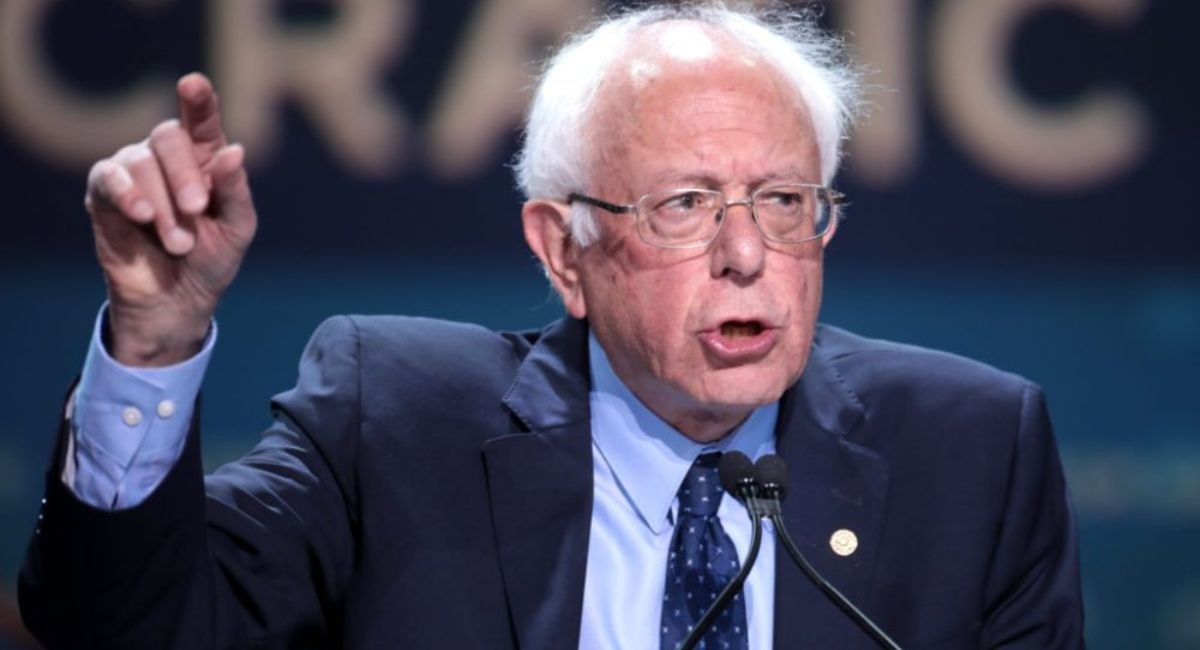
What if one of America’s loudest voices against wealth inequality is a millionaire himself? That’s exactly why Bernie Sanders net worth sparks so much curiosity. Known for calling out billionaires and fighting for the working class, Sanders has built a powerful political brand rooted in fairness and transparency.
But behind the speeches and rallies lies a financial story many people don’t expect. From a modest Brooklyn upbringing to becoming one of the most influential senators in the U.S., his journey is anything but ordinary. So, how much has he really earned and does it align with his message? Let’s uncover the truth behind Bernie Sanders net worth.
Bernie Sanders Profile Summary
Before diving deep, here’s a quick snapshot of everything you need to know about Bernard Sanders – the man, the senator, the progressive icon.
| Detail | Information |
| Full Name | Bernard “Bernie” Sanders |
| Date of Birth | September 8, 1941 |
| Age (2026) | 84 years old |
| Birthplace | Brooklyn, New York, USA |
| Nationality | American |
| Ethnicity | White (Ashkenazi Jewish) |
| Religion | Jewish |
| Profession | Politician, Author, Activist |
| Political Party | Independent (caucuses with Democrats) |
| Senate Seat | Vermont (since 2007) |
| Wife | Jane O’Meara Sanders (m. 1988) |
| Children | 4 (1 biological, 3 stepchildren) |
| Net Worth (2026) | Estimated $2 million – $3 million |
| Annual Salary | $174,000 (U.S. Senate) |
| Height | 5 ft 10 in (177.8 cm) |
| Weight | ~180 lbs (82 kg) |
| Education | University of Chicago, B.A. 1964 |
| Social Media | Active on X, Facebook, Instagram |
That’s a lot to unpack. So let’s start from the very beginning.
Bernie Sanders Wikipedia
Bernard Sanders, widely known as Bernie Sanders, is an American politician, activist, and author who has served as the senior United States senator from Vermont since 2007.
He’s officially an Independent, but he caucuses with Senate Democrats and has sought the Democratic presidential nomination twice in 2016 and 2020. He is the longest-serving independent politician in U.S. congressional history, a record no one else comes close to matching.
Sanders is a proud democratic socialist a label he wears without apology and he’s regarded as the godfather of America’s modern progressive movement.
Who is Bernie Sanders?
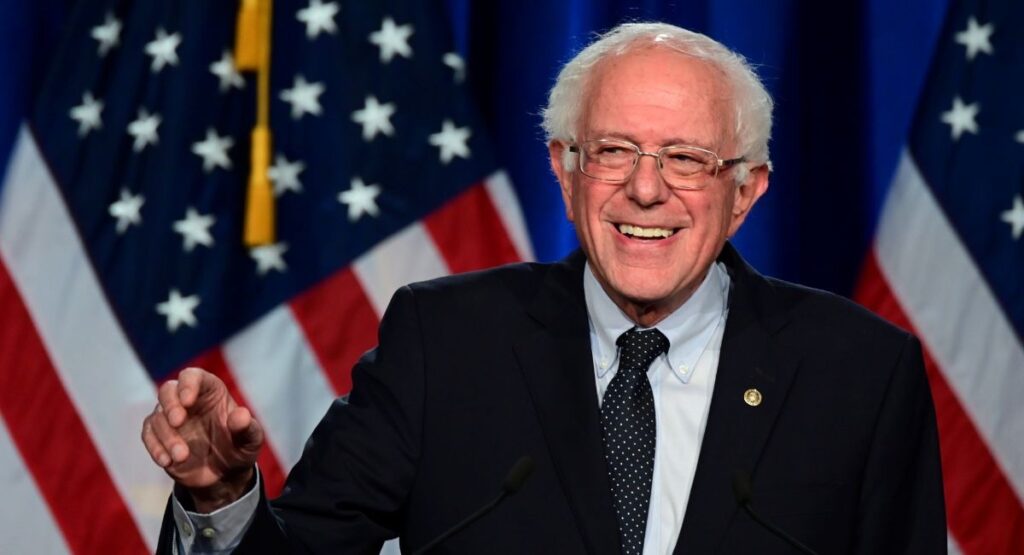
Bernie Sanders is one of the most recognizable political figures in American history. He’s a Democratic Socialist, a former Burlington Mayor, a two-time presidential candidate, a bestselling author, and whether you love him or dislike him, one of the most consequential voices in 21st-century American politics.
Bernard Sanders spent decades as a political outsider. He ran for office and lost. He ran again and lost again. Then, in 1981, he won the Burlington mayoral race by just 12 votes. That single razor-thin margin changed American political history. From that point on, Sanders built a reputation as someone who never stopped fighting for working people even when the establishment ignored him.
What makes Sanders unusual isn’t just his politics. It’s his consistency. The issues he raised in the 1970s wealth inequality, universal health care, corporate greed are the same ones he hammers on today. In Washington, that’s rare. In fact, it’s almost unheard of.
Where Did Bernie Sanders Live?
Sanders has called Vermont home since the late 1960s, when he moved there after graduating from the University of Chicago. He was, by his own description, captivated by Vermont’s rural independence and political culture. It fit him perfectly.
Today, Sanders owns two properties in Vermont. His primary residence is a four-bedroom home in Burlington the city he once served as mayor which he purchased in 2009 for approximately $405,000.
As of 2026, that home is estimated to be worth roughly $699,000. He also owns a charming lakefront summer home in North Hero, Vermont, purchased in 2016 for about $575,000 and currently valued near $909,000. He previously owned a townhouse in Washington, D.C., near Capitol Hill, which he sold in 2021 for around $422,000.
Who is Bernie Sanders Married To?
Bernie Sanders has been married to Jane O’Meara Sanders since May 28, 1988. Jane is a former college president, policy advocate, and devoted partner who has campaigned alongside Sanders throughout his presidential runs.
Before Jane, Sanders was briefly married to Deborah Shiling in the 1960s, a relationship that didn’t last. His romantic life, like his politics, evolved over time.
Sanders met Jane in the early 1980s when she was working as a legislative aide. They’ve been inseparable since. Their 1988 honeymoon destination? The Soviet Union specifically the city of Yaroslavl, which was Burlington’s sister city. Yes, really.
Educational Background
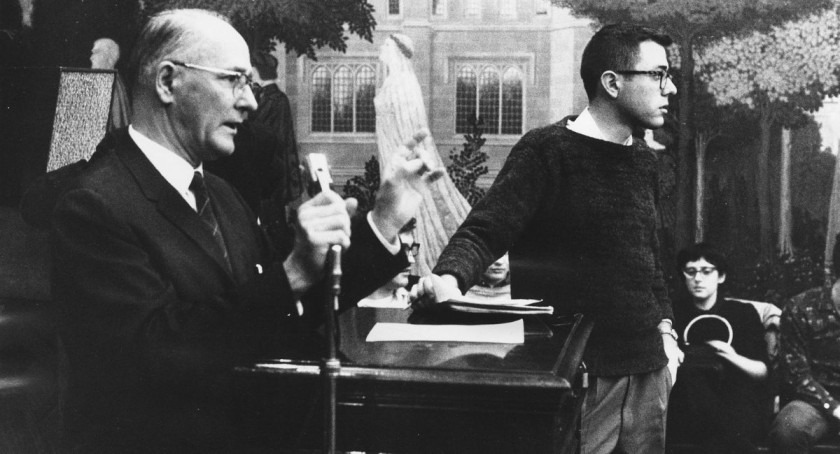
Bernard Sanders didn’t follow a conventional path to power. He was intellectually curious from an early age, shaped by the poverty and injustice he witnessed growing up in Brooklyn.
College
Sanders enrolled at Brooklyn College for a year before transferring to the University of Chicago, where he earned a Bachelor of Arts degree in Political Science in 1964. His time at Chicago wasn’t just academic, it was transformational.
He became deeply involved in the civil rights movement, organizing for the Congress of Racial Equality (CORE) and the Student Nonviolent Coordinating Committee (SNCC). He participated in sit-ins protesting school segregation and even attended the historic 1963 March on Washington, where Martin Luther King Jr. delivered his “I Have a Dream” speech.
In the summer of 1963, Sanders was fined $25 for resisting arrest during a demonstration against segregation in Chicago’s public schools. Even as a college student, he was already fighting the good fight. His education wasn’t just a degree, it was a political awakening.
Personal Life
Away from the Senate floor, Bernie Sanders is a fairly private man. He loves basketball, enjoys the outdoors, and keeps a routine that most 84-year-olds would struggle to match. He’s a grandfather seven times over and those grandchildren are reportedly a great source of joy for him.
Early Wins, Big Risks, and Public Backlash
Sanders’ personal life has never been scandal-free. In 1968, he wrote an essay that resurfaced decades later and contained jarring sexual content, a piece that caused enormous backlash when it emerged during his 2016 presidential campaign.
He apologized, explaining it was written as a psychological commentary. Critics weren’t fully satisfied. His decision to stay in the 2016 Democratic primary longer than many Democrats wanted also brought fierce criticism from the Hillary Clinton camp, with some blaming him perhaps unfairly for Donald Trump’s eventual win.
Then there’s the “three houses” controversy, where he was criticized for owning multiple properties while advocating against wealth inequality. Sanders shot back simply: he earned those homes through his Senate salary and book deals. Nothing more.
Bernie Sanders Parents and Family Details
Family shaped Bernie Sanders long before politics did. He grew up in a modest apartment in Midwood, Brooklyn, in a household that understood hardship firsthand.
Bernie Sanders Mother
Dorothy “Dora” Sanders (née Glassberg) was born in New York City to Jewish immigrant parents from Radzyn, Poland, and Bialystok, Russia. She was a warm, strong woman who raised her sons with clear values about fairness and hard work. Tragically, Dorothy died young at just 46, something Sanders has said left a deep mark on him. She never got to see the heights her son would reach.
Bernie Sanders Dad
Elias Ben Yehuda Sanders known simply as “Eli” was born in Słopnice, a small town in what is now Poland, part of the former Austro-Hungarian Empire. He immigrated to the United States in 1921 at age 17, arriving with no money and no English. He became a paint salesman and worked tirelessly to support his family.
Nearly his entire family in Poland was murdered by the Nazis during the Holocaust. Sanders has cited his father’s story as one of the defining influences on his worldview particularly his understanding of what poverty, oppression, and courage actually look like.
Bernie Sanders Brother
Larry Sanders is Bernie’s older brother and political confidant. Larry moved to the United Kingdom after marrying a British citizen and became a social worker. He joined the Green Party in the UK and served on the Oxfordshire County Council from 2005 to 2013.
In 2016, Larry cast a “Democrats Abroad” vote for Bernie at the Democratic National Convention and delivered a tearful tribute to their late parents, calling them proud and describing how they believed politics “could have a positive impact.” It was one of the most emotional moments of the entire DNC.
Bernie Sanders Sister
Public records offer very limited information about Bernie Sanders having a sister. His family background centers primarily on his relationship with his brother Larry and the strong influence of his parents. Any claims about a sister remain unverified.
Bernie Sanders Wife
Jane O’Meara Sanders is far more than a senator’s spouse. She’s a former college president, having served as president of Burlington College from 2004 to 2011. She has a doctorate in leadership and civic engagement and has been a genuine policy voice in her own right. During both the 2016 and 2020 presidential primary campaigns, Jane was a constant presence on the trail, speaking at rallies and representing Sanders in media appearances.
Critics took aim at Jane in 2016 over a federal loan she obtained for Burlington College’s land expansion project. The college later closed, and some accused her of financial mismanagement charges that were ultimately dropped. The couple has navigated that scrutiny together, and they remain a united front in 2026.
Bernie Sanders Dating History
| Name | Relationship Type | Duration | Notes |
| Deborah Shiling | Wife (1st marriage) | 1964 – 1966 | Short-lived marriage during early adulthood |
| Susan Campbell Mott | Partner (not married) | Late 1960s | Mother of his son, Levi Sanders |
| Jane O’Meara Sanders | Wife (current) | 1988 – Present | Long-term partner, political collaborator |
Bernie Sanders Kids
Sanders has four children in total, one biological son and three stepchildren from Jane’s previous relationship.
| Child | Relationship | Notes |
| Levi Sanders | Biological son | Born 1969 with Susan Mott; works as a health care advocate |
| Heather Titus | Stepdaughter | Jane’s daughter |
| Carina Driscoll | Stepdaughter | Jane’s daughter; ran for Burlington mayor in 2018 |
| David Driscoll | Stepson | Jane’s son |
All four children are reportedly close with Sanders. He also has seven grandchildren, who he’s described as one of his greatest sources of happiness.
Career
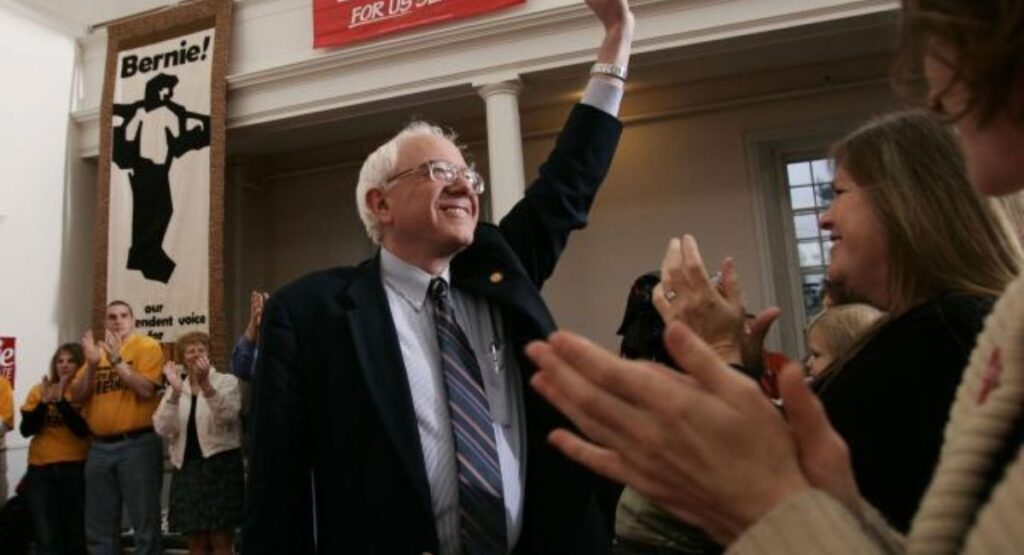
Bernie Sanders didn’t walk into Washington with a silver spoon. His career is a decades-long grind full of losses, breakthroughs, and stubborn persistence.
Political Activism
Long before he held any office, Sanders was a civil rights activist and a university activist at the University of Chicago. He organized for CORE and SNCC, participated in sit-ins, and attended the March on Washington.
This wasn’t a resume builder, it was a genuine commitment. He applied for conscientious objector status during the Vietnam War draft, citing his opposition to armed conflict, though he was ultimately too old to be drafted by the time his case was processed.
Professional History and Early Years in Vermont
After graduating in 1964, Sanders moved to New York briefly, then relocated to Vermont in the late 1960s first to the rural town of Stannard. There, he worked as a carpenter, filmmaker, and writer.
He created educational filmstrips and sold them to schools. He also wrote for alternative publications. It wasn’t glamorous. But it was honest. This period grounded him in the kind of working-class reality that would define his entire political philosophy.
Liberty Union Campaigns
In 1971, Sanders joined the Liberty Union Party, a small anti-war, socialist party in Vermont and ran for U.S. Senate in 1972 and again in 1974, and for governor in 1972 and 1976. He never won. In fact, he rarely cleared 6% of the vote.
But these Liberty Union campaigns weren’t wasted effort. They built his name recognition and his grassroots network in Vermont. He resigned from Liberty Union in 1977 and went back to writing and filmmaking, including a documentary about labor legend Eugene V. Debs.
Mayor of Burlington, Vermont (1981–1989)
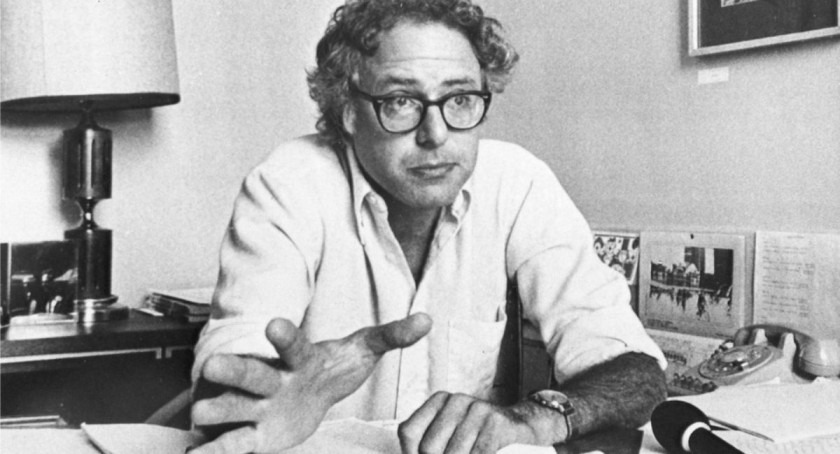
The turning point came in 1981. Sanders, running as an independent, challenged Democratic incumbent Gordon Paquette for the mayorship of Burlington Vermont’s largest city. He won by 10 to 12 votes, depending on which recount you believe. It was the slimmest of margins. And it changed everything.
Sanders served four terms as Burlington Mayor, from 1981 to 1989. In 2026, he remained the only person in Burlington history to win the mayoralty four times as an independent. That’s a record. During his tenure, U.S. News & World Report named him one of America’s best mayors.
Campaigns
Sanders won re-election as Burlington Mayor in 1983, 1985, and 1987, defeating both Democratic and Republican challengers each time. His mayoral elections victories were rooted in grassroots organizing, door-to-door campaigning, and a clear message: city government should serve working families, not developers and corporations.
Administration
As mayor, Sanders implemented progressive taxation, expanded environmental protections, launched youth programs, supported women’s rights initiatives, and built new arts and childcare infrastructure.
He also hosted a foreign policy speech by Noam Chomsky at Burlington City Hall in 1985, a move that made national news. He forged Burlington’s sister-city relationship with Yaroslavl in the Soviet Union and recorded a folk album, We Shall Overcome, with 30 Vermont musicians in 1987. The man was never boring.
U.S.House of Representatives (1991–2007)
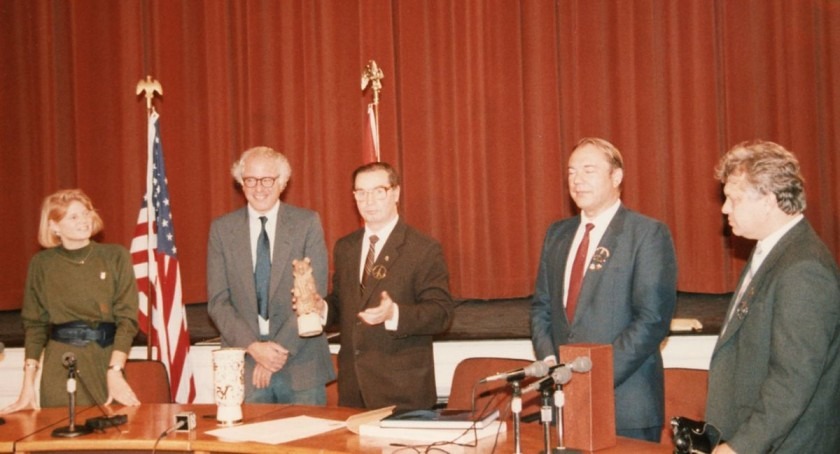
In 1990, Sanders made the leap to Congress, winning Vermont’s at-large congressional district as an independent. He served 16 years in the House the longest-serving independent in House Representative history.
Elections
Sanders won re-election to the Vermont at-large congressional district seat consistently from 1990 through 2006, routinely defeating both major-party challengers. His margins improved with each cycle as his reputation for consistency and constituent service grew.
Legislation
Sanders didn’t sit quietly in the House. He pushed hard on multiple legislative fronts.
Banking Reform
Sanders was a vocal critic of financial deregulation throughout the 1990s. He opposed the Gramm-Leach-Bliley Act of 1999, which repealed parts of the Glass-Steagall Act, a warning that looked prescient after the 2008 financial crisis.
Cancer Registries
Sanders championed legislation to improve national cancer data collection, pushing for better tracking of cancer rates particularly in environmental hotspots so communities could hold polluters accountable.
Firearms and Criminal Justice
Sanders represented a rural state with strong gun-ownership traditions. His votes on firearms legislation were more mixed than his progressive base preferred, including a 2005 vote for the Protection of Lawful Commerce in Arms Act, which shielded gun manufacturers from certain lawsuits. He later expressed regret for that vote during his 2016 presidential run.
Opposition to the Patriot Act
After 9/11, Sanders was one of a small number of House members who voted against the USA PATRIOT Act, arguing it violated civil liberties. The congressional record shows this vote was deeply unpopular at the time but Sanders held firm.
Opposition to the War in Iraq
In October 2002, Sanders voted against authorizing military force in Iraq a vote he’s cited repeatedly as a defining moment of moral clarity. When the war turned disastrous, that vote gained enormous weight and became central to his political identity as an anti-war candidate.
Trade Policy
Sanders consistently opposed free trade agreements like NAFTA and CAFTA, arguing they shipped American jobs overseas and devastated working-class communities. His position on trade aligned him with labor unions and put him at odds with the Clinton and Obama administrations.
U.S. Senate (2007–Present)
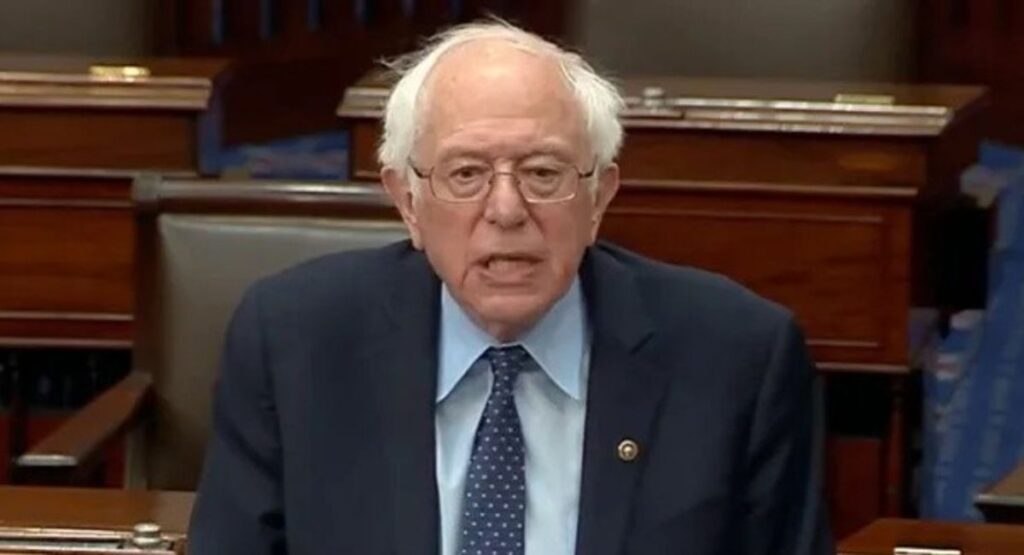
In 2006, Sanders ran for Vermont’s open Senate seat. He won decisively. He became the first non-Republican elected to Vermont’s Class 1 Senate seat since a Whig named Solomon Foot in 1850. That’s a staggering historical footnote. Senator Sanders has held that seat ever since.
Elections
Here is complete detail of elections mentioned with here:
2006
Sanders defeated Republican Rich Tarrant by approximately a 2-to-1 margin — one of the biggest margins in Vermont Senate history. His grassroots fundraising made national news.
2012
Running for re-election in 2012, Sanders won with 71% of the vote — a remarkable showing for a self-described democratic socialist in a general election.
2018
In 2018, Sanders won re-election with 67% of the vote, defeating Republican Lawrence Zupan. His popularity in Vermont remained sky-high despite — or perhaps because of — his national prominence.
2024
In 2024, Sanders comfortably won a fourth Senate term, defeating Republican challenger Gerald Malloy. He entered his 80s with a fresh six-year Senate mandate, signaling no plans to slow down.
Legislation
Sanders has been prolific in the U.S. Senate, introducing legislation on nearly every major issue area.
Finance and Monetary Policy
Sanders has been a fierce critic of the Federal Reserve and Wall Street bailouts. He authored an amendment to the Dodd-Frank Act that resulted in the first-ever audit of the Federal Reserve, revealing trillions of dollars in secret emergency loans to banks during the 2008 crisis. He also authored the Stop BEZOS Act and pushed for a wealth tax on billionaires making income and wealth distribution one of his signature Senate priorities.
Foreign Policy
Sanders has consistently opposed U.S. military interventions abroad. During the Gaza conflict that began in 2023, he introduced multiple Joint Resolutions of Disapproval to block U.S. arms sales to Israel.
In July 2025, 27 senators supported one such resolution, a majority of Senate Democrats, a significant shift. He has also been critical of U.S. policy toward Saudi Arabia and its human rights record.
Health Care
Medicare for All Sanders’ flagship proposal calls for a single-payer, universal health care system modeled broadly on the Nordic approach. He introduced the Medicare for All Act in the Senate and has made Medicare expansion one of the cornerstones of his political identity. As a Medicare for All advocate, Sanders argues the current private insurance model is a failed experiment that leaves tens of millions uninsured or underinsured.
Immigration Policy
Sanders has been critical of harsh immigration enforcement and has opposed family separation at the border. He’s pushed for immigration policy reforms that center humane treatment and a pathway to citizenship for undocumented immigrants who have lived and worked in the United States for years.
Income and Wealth Distribution
Tackling inequality has been Sanders’ lifelong obsession. He’s introduced legislation to tax extreme wealth, expand Social Security, raise the minimum wage to $17 an hour, and guarantee workers paid sick leave and family leave. His framing of the economy as rigged in favor of the billionaire class has become common political language, a testament to his influence on national debate.
Veterans Affairs
Sanders chaired the Senate Veterans’ Affairs Committee from 2013 to 2015. In that role, he worked across the aisle to pass the Veterans Access to Care Act landmark legislation that significantly expanded health care access for millions of veterans by allowing them to seek private care when VA wait times were too long.
Supreme Court Nominees
Sanders has consistently opposed nominees he views as outside the mainstream on issues like reproductive rights, workers’ rights, and campaign finance. He voted against confirming Neil Gorsuch, Brett Kavanaugh, and Amy Coney Barrett to the Supreme Court.
Committee Assignments
Over his Senate career, Sanders has served on several powerful committees. His most prominent assignments have included the Budget Committee, the Veterans’ Affairs Committee, and the Health, Education, Labor and Pensions (HELP) Committee.
119th United States Congress Committee Assignments
As of the 119th Congress (2025–2027), Sanders serves as the Ranking Member of the Senate HELP Committee, a powerful oversight role from which he can investigate the pharmaceutical industry, corporate labor practices, and health care costs.
Caucus Memberships
Sanders is a founding member and longtime participant of the Congressional Progressive Caucus, a legislative bloc he co-founded in 1991 that now includes over 100 members of Congress. He caucuses with Senate Democrats despite his Independent status, which gives him committee assignments and Senate seniority.
Approval Ratings
Sanders is consistently the most popular U.S. senator in Vermont. A 2026 Morning Consult poll found 68% of Vermont voters approve of the job he’s doing, remarkable for any senator, let alone one well into his 80s. Nationally, he enjoys strong favorability among younger voters and progressive Democrats.
2016 Presidential Campaign
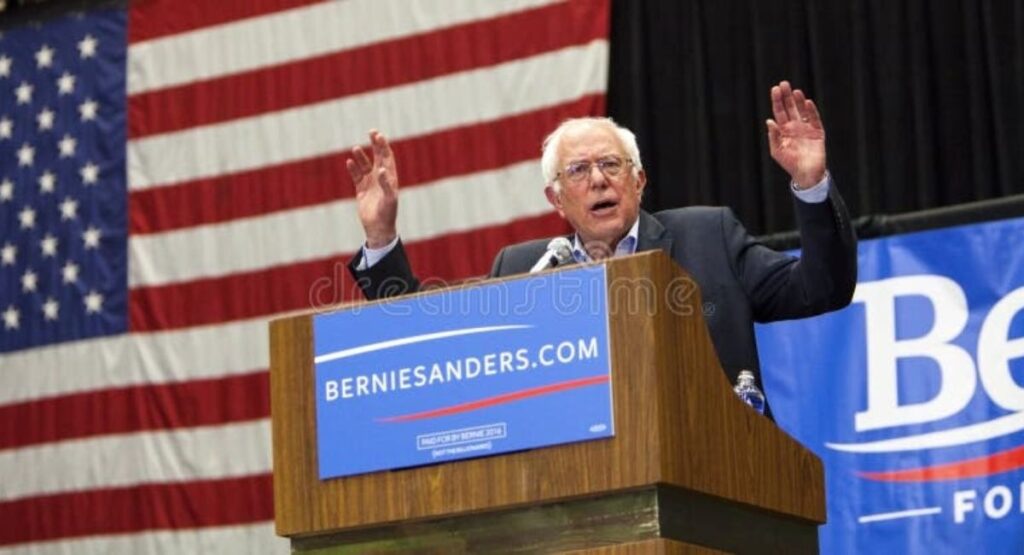
No event transformed Bernie Sanders from a beloved Vermont eccentric into a national phenomenon faster than the 2016 presidential campaign. When he announced his candidacy in April 2015, most observers dismissed him. Within months, he was filling arenas.
Campaign Methods
Sanders built his grassroots presidential fundraising machine almost entirely from small-dollar donors. He refused Super PACs. He refused corporate money. And yet he raised hundreds of millions of dollars proving you could run a competitive presidential primary without selling your soul to big donors. His rallies were massive. Tens of thousands showed up in cities across the country.
Presidential Debates
Sanders faced off against Hillary Clinton in multiple Democratic debates. His sharp critiques of Wall Street, free trade, and the Iraq War resonated with voters who felt left behind by the establishment. His memorable debate line “The American people are sick and tired of hearing about your damn emails” became one of the most quoted moments of the entire campaign.
Polls and News Coverage
For much of early 2016, Sanders led or closely trailed Clinton in New Hampshire and Iowa. National polling showed him closing the gap. Media coverage was initially dismissive but grew as his crowds and fundraising numbers stunned political observers. The term anti-establishment Democratic candidate fit him perfectly.
DNC Email Leak
In July 2016, leaked emails from the Democratic National Committee revealed staffers had worked against Sanders’ campaign during the primaries validating what his supporters had long suspected. The fallout led to DNC Chairwoman Debbie Wasserman Schultz resigning. Sanders said the leaks confirmed unfair treatment but urged his supporters to stay focused.
Endorsement of Hillary Clinton
Despite the bitterness of the primary, Sanders endorsed Hillary Clinton before the Democratic Convention. He campaigned aggressively for her in the general election something his critics often overlooked when blaming him for her loss to Trump.
Post-Election Activities
After 2016, Sanders launched the Our Revolution political organization to continue championing progressive candidates at every level of government. He remained in the Senate and introduced Medicare for All legislation with a record number of Senate co-sponsors.
Influence on the Democratic Party
The 2016 presidential campaign fundamentally shifted the Democratic Party’s center of gravity. Medicare for All, the $15 minimum wage, free college tuition, and a wealth tax all positions Sanders championed in 2016, became mainstream Democratic proposals within four years. His influence on the Democratic Party was arguably greater than that of any candidate who didn’t win.
2020 Presidential Campaign
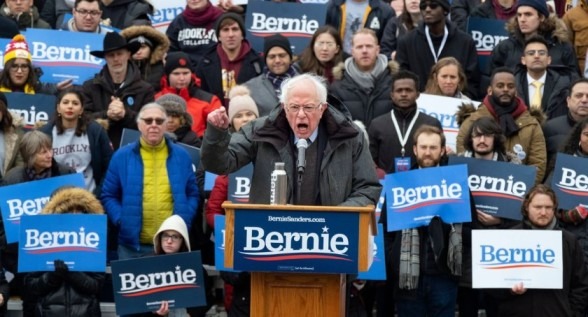
Sanders entered the 2020 presidential campaign as an early frontrunner a very different position from 2016, when he was a longshot. He’d spent four years building infrastructure, and it showed.
Campaign Methods
Again, Sanders relied on grassroots presidential fundraising, small donors, no corporate PACs. His campaign’s fundraising operation was the most successful in Democratic primary history to that point, regularly outraising every other candidate in the field.
Fundraising
Sanders raised over $180 million during the 2020 primary cycle, with an average donation of roughly $18. The 2020 Democratic nomination endorsement chase featured some of the most intense small-dollar fundraising ever seen in U.S. politics. His donor base was vast and enthusiastic.
Polls and News Coverage
Sanders led national polling for much of late 2019 and early 2020. After winning the popular vote in Iowa, crushing it in New Hampshire, and winning the Nevada caucus by a massive margin, he became the Democratic primaries 2020 front-runner the odds-on favorite to win the nomination.
Forums and Other Appearances
Sanders participated in CNN town halls, MSNBC forums, and countless local events. He made a memorable appearance on The Joe Rogan Experience podcast, earning both praise for his accessibility and criticism from some Democratic allies.
Presidential Debates
Sanders performed strongly in multiple Democratic debates, drawing clear contrasts on health care and economic policy with more moderate candidates like Joe Biden, Pete Buttigieg, and Amy Klobuchar.
Suspension of Campaign
Then came South Carolina. Joe Biden won the state by a landslide in late February 2020, triggering a rapid consolidation of the moderate lane. Buttigieg and Klobuchar dropped out and endorsed Biden. Within days, the race had fundamentally changed.
The COVID-19 pandemic then made in-person rallying impossible Sanders’ greatest strength. In April 2020, he suspended his campaign. Shortly after, he endorsed Joe Biden and became a key surrogate.
Political Positions
Sanders has held remarkably consistent political positions for over 50 years. That consistency is either his greatest strength or, depending on your perspective, a sign of ideological rigidity. Either way, you always know where he stands.
Climate Change
Sanders views climate change as the greatest existential threat facing humanity. He has co-sponsored the Green New Deal and introduced his own legislation calling for 100% renewable energy by 2050, funded by cutting fossil fuel subsidies and taxing carbon.
Economic Issues
The centerpiece of Sanders’ economic worldview is that wealth and income distribution in America has become obscenely skewed toward the top 1% or more precisely, the top 0.1%. He wants a wealth tax on billionaires, higher corporate taxes, a $17 minimum wage, free public college, and expanded Social Security.
Foreign Policy
Sanders is skeptical of military interventionism and has been critical of U.S. support for authoritarian regimes. He wants to cut the Pentagon budget and reinvest in diplomacy and humanitarian aid. His foreign policy views align with an older tradition of non-interventionist progressivism.
Gun Laws
This is one area where Sanders has been more nuanced, some would say inconsistent. He’s supported assault weapons bans and universal background checks. But his 2005 vote protecting gun manufacturers from lawsuits still follows him.
Social Issues
Sanders supports LGBTQ+ rights, abortion rights, criminal justice reform, and drug decriminalization. He was marching for civil rights movement organizer causes in the 1960s, and his record on social justice legislation spans decades.
First Trump Administration
During Trump’s first term, Sanders was one of the loudest Senate voices of opposition. He organized town halls, fought tax cuts for the wealthy, and rallied Democrats to resist healthcare repeal efforts.
Biden Administration
Sanders had a complicated relationship with the Biden White House. He praised the $1.9 trillion American Rescue Plan and the infrastructure bill but pushed hard and largely failed to include Medicare for All provisions in the larger Build Back Better package. He chaired the Senate Budget Committee from 2021 to 2023 and used that platform aggressively.
Second Trump Administration
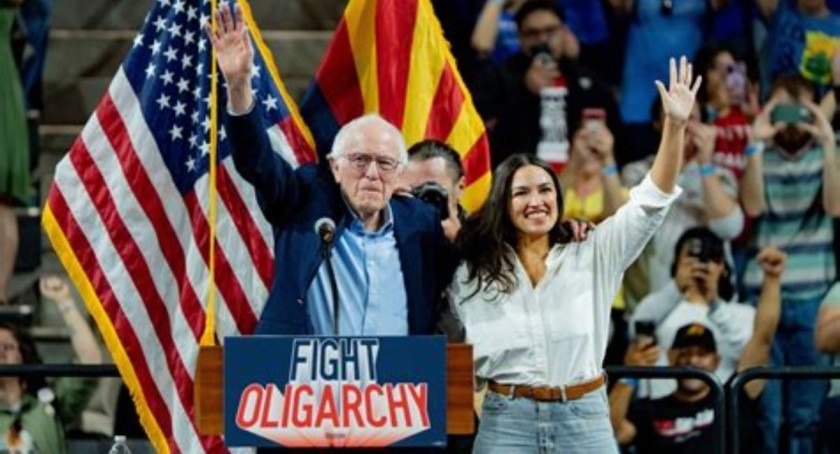
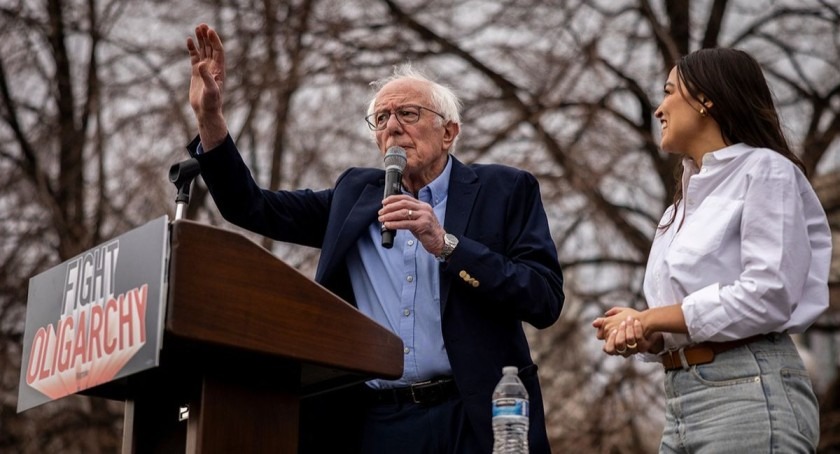
In 2025 and 2026, Sanders has emerged as one of the most vocal Senate critics of Donald Trump’s second administration. His “Fighting Oligarchy Tour” , a series of rallies held across the country drew massive crowds. He has spoken passionately about resisting what he calls the rise of oligarchy in American democracy.
Bernie Sanders Party Affiliations
Sanders’ party history is genuinely unusual. He started with the Liberty Union Party in the 1970s, ran as an independent in Burlington, and has never formally joined the Democratic Party.
Yet he caucuses with Democrats, sought the Democratic presidential nomination twice, and endorsed Democratic nominees in general elections. His formal affiliation: Independent. His functional role: Progressive Caucus leader and the Senate’s most prominent democratic socialist.
Bernie Sanders Books
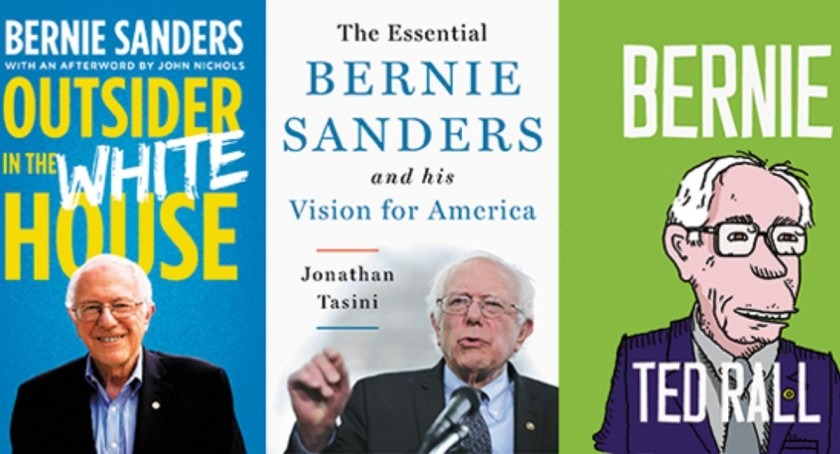
Sanders has written several books, all of which have become bestsellers. His writing career took off after 2016 and directly fueled his rise into millionaire territory.
| Book | Year | Notes |
| Outsider in the House | 1997 | Memoir about his early congressional career |
| The Speech | 2011 | Based on his famous 8.5-hour Senate floor speech against tax cuts |
| Our Revolution | 2016 | His political manifesto and 2016 campaign story |
| Where We Go From Here | 2018 | Post-2016 strategy and progressive vision |
| Bernie Sanders Guide to Political Revolution | 2017 | Aimed at younger readers |
| It’s OK to Be Angry About Capitalism | 2023 | His critique of modern capitalism |
| Fight Oligarchy | 2025 | His latest book, released as part of the Fighting Oligarchy Tour |
How Does Bernie Sanders Make Money?
Sanders earns money from three main sources. His U.S. Senate salary is $174,000 per year, a figure that’s been steady for years. His books have generated over $2.5 million in advances and royalties since 2011, according to Forbes.
And his real estate holdings in Vermont have appreciated significantly. He does not hold publicly traded stocks, a notable distinction from many of his colleagues. His wealth is tied to his words, his work, and his property, not Wall Street.
Physical Appearance of Bernie Sanders
Bernie Sanders has a look that’s become instantly iconic in American politics. The white, unkempt hair. The slightly rumpled suit. The thick-rimmed glasses. The pointed finger. You know the image. He’s never been a candidate who cares much about optics and somehow, that makes him more believable to millions of voters.
Bernie Sanders Age
Bernie Sanders is 84 years old as of 2026, born on September 8, 1941. He’s one of the oldest sitting U.S. senators, but he remains highly active traveling, speaking, legislating, and leading rallies.
Bernie Sanders Weight
Sanders weighs approximately 180 pounds (82 kg) according to most estimates. He’s not a gym-obsessive, but he stays active and has maintained a relatively consistent weight throughout his Senate career.
Bernie Sanders Height
Officially, Bernie Sanders stands approximately 5 feet 10 inches tall (177.8 cm). Some sources put his peak height at 6 feet even though he may have lost a small amount of height with age as most people do.
Bernie Sanders Ethnicity
Bernie Sanders is White, of Ashkenazi Jewish descent. Both his parents were Jewish immigrants from Poland, his father from Słopnice, his mother from New York with Polish and Russian Jewish roots. Sanders is a Jewish American politician from Vermont the first Jewish American to win a presidential primary (in 2016, in New Hampshire). He doesn’t describe himself as deeply religious, but his Jewish heritage and awareness of the Holocaust clearly inform his worldview.
Bernie Sanders Nationality
Sanders is an American citizen, born in Brooklyn, New York. He has spent most of his adult life in Vermont and Washington, D.C.
Bernie Sanders House
Sanders owns two properties as of 2026. His primary residence is a four-bedroom home in Burlington, Vermont, purchased in 2009 for around $405,000 and now worth an estimated $699,000.
His summer home is a lakefront property in North Hero, Vermont on Lake Champlain purchased in 2016 for around $575,000 and now estimated at approximately $909,000. He previously owned a Capitol Hill townhouse in Washington, D.C., which he sold in April 2021 for about $422,000.
Bernie Sanders: Financial Snapshot 2026
Here’s where things get interesting and a little ironic. The man who rails against millionaires is, technically, a millionaire himself. But the context matters. Let’s look at the numbers.
| Financial Detail | Estimated Figure (2026) |
| Total Net Worth | $2 million – $3 million |
| Annual Senate Salary | $174,000 |
| Book Royalties (lifetime) | $2.5 million+ |
| Burlington Home Value | ~$699,000 |
| North Hero Home Value | ~$909,000 |
| Stock Holdings | $0 (none publicly disclosed) |
| Retirement Pensions | Two (House + Senate) |
Bernie Sanders: Net Worth Milestones
Sanders didn’t become a millionaire overnight. His wealth grew slowly very slowly and then jumped sharply after 2016.
| Year | Estimated Net Worth | Key Driver |
| 2006 | ~$300,000 | Senate salary + savings |
| 2011 | ~$500,000 | The Speech published |
| 2016 | ~$700,000 | Pre-campaign assets |
| 2018 | ~$1.5 million | Book royalties surge post-2016 |
| 2020 | ~$2 million | Continued royalties + real estate gains |
| 2024 | ~$2.5 million | North Hero property appreciation |
| 2026 | $2 million – $3 million | Combined assets |
Bernie Sanders Net Worth Breakdown
Understanding senator Bernie Sanders net worth means understanding where each dollar comes from. There are no mystery hedge funds here. No corporate board seats. It’s simpler than that.
Net Worth of Bernie Sanders Sources
| Income Source | Estimated Contribution |
| U.S. Senate Salary | $174,000/year |
| Book Royalties & Advances | $2.5 million+ (lifetime) |
| Burlington Home Equity | ~$294,000 (appreciation) |
| North Hero Home Equity | ~$334,000 (appreciation) |
| House of Reps Pension | Estimated $20,000–$30,000/year |
| Senate Pension (future) | Will vest at retirement |
| Public Speaking | Occasional fees |
| Stock/Investment Portfolio | $0 disclosed |
Bernie Sanders Salary
As a U.S. Senate member Bernie Sanders earns $174,000 per year, the standard salary for all non-leadership senators. That salary has remained flat for years, as Congress has repeatedly failed to pass cost-of-living adjustments. For context, here’s how his pay has changed across his career:
| Role | Period | Annual Salary |
| Burlington Mayor | 1981–1989 | ~$33,700 |
| U.S. House Representative | 1991–2007 | ~$96,000–$165,000 |
| U.S. Senator | 2007–present | ~$165,000–$174,000 |
Bernie Sanders Estimated Earnings by Months
| Month | Estimated Monthly Earnings |
| January | ~$14,500 |
| February | ~$14,500 |
| March | ~$14,500 + possible royalties |
| April | ~$14,500 |
| May | ~$14,500 |
| June | ~$14,500 |
| July | ~$14,500 |
| August | ~$14,500 |
| September | ~$14,500 |
| October | ~$14,500 |
| November | ~$14,500 |
| December | ~$14,500 + year-end royalties |
Senator Bernie Sanders Net Worth in Various Currencies
| Currency | Estimated Net Worth (mid-range: $2.5M) |
| US Dollar (USD) | $2,500,000 |
| British Pound (GBP) | £1,975,000 |
| Euro (EUR) | €2,305,000 |
| Canadian Dollar (CAD) | C$3,400,000 |
| Australian Dollar (AUD) | A$3,850,000 |
| Pakistani Rupee (PKR) | PKR 694,000,000 |
| Indian Rupee (INR) | ₹208,000,000 |
| Japanese Yen (JPY) | ¥370,000,000 |
Comparing Bernie Sanders Net Worth to Other Peers
How does senator Bernie Sanders net worth stack up against his political peers? The contrast is striking.
| Politician | Estimated Net Worth (2026) |
| Bernie Sanders | $2M – $3M |
| Donald Trump | ~$4.5 billion |
| Mitch McConnell | ~$35 million |
| Nancy Pelosi | ~$135 million |
| Elizabeth Warren | ~$12 million |
| Alexandria Ocasio-Cortez | ~$800,000 |
| Joe Biden | ~$10 million |
Bernie Sanders Awards and Achievements
Sanders hasn’t chased trophies. But recognition has come anyway.
| Award / Achievement | Detail |
| Congressional Progressive Caucus Lifetime Achievement Award | For decades of advocacy for working families |
| Time Magazine 100 Most Influential People | Named to the list for his political impact |
| Gandhi Peace Award | For commitment to nonviolent social change |
| Eugene V. Debs Foundation Award | Awarded October 25, 2025, for labor advocacy |
| Most Popular U.S. Senator | Morning Consult polls, multiple years including 2026 |
| NAACP 100% Voting Score | Perfect record on NAACP-tracked legislation |
| NHLA 100% Voting Score | Perfect record on National Hispanic Leadership Agenda issues |
| First independent to win a presidential primary | New Hampshire 2016 |
| Longest-serving independent in U.S. congressional history | A record he still holds in 2026 |
Health Problems
Bernie Sanders’ most serious health crisis came in October 2019, during the 2020 presidential campaign, when he suffered a heart attack. He underwent a procedure to insert two stents and was hospitalized for several days. His campaign briefly paused. Many predicted he would drop out. He didn’t. He returned to the trail and won the Nevada caucus just months later.
His doctors later declared him in “good health,” and his subsequent Senate performance has supported that assessment. At 84, Sanders moves at a pace that would exhaust many people half his age.
Legal Issues
Sanders has faced no criminal charges or serious legal investigations himself. However, in 2017, the FBI investigated his wife, Jane Sanders, over her management of Burlington College’s finances and a loan she obtained for land acquisition.
The investigation was ultimately closed with no charges filed. Sanders stood by his wife throughout and called the investigation politically motivated.
Tours
Sanders launched the “Fighting Oligarchy Tour” in early 2025 a barnstorming series of political rallies held across the United States, often alongside Rep. Alexandria Ocasio-Cortez.
The tour drew massive crowds of tens of thousands in some cities and focused on resisting what Sanders calls corporate and billionaire control of American democracy. It became one of the most talked-about political events of 2025, proving that at 83 going on 84, Sanders still commands a room.
Bernie Sanders Political Views
The core of Bernie Sanders’ political views can be summarized in one phrase: power should belong to working people, not billionaires. He supports universal health care, free public college education, a wealth tax, a Green New Deal, workers’ right to organize, criminal justice reform, immigration reform, and reduced U.S. military intervention abroad.
He calls himself a democratic socialist, meaning he believes in a strong social safety net and robust regulation of capitalism, not the government owning businesses. His platform has moved from the political fringe in the 1970s to the mainstream of the Democratic Party by the 2020s. That’s not luck. That’s persistence.
Bernie Sanders Social Media Accounts
| Platform | Handle / Account | Followers |
| Click me | 14.8M | |
| Click me | 6.5M | |
| Click me | 8.8M | |
| YouTube | Click me | 1.3M |
Bernie Sanders Controversies
No long political career is controversy-free. Sanders has had his share.
The Three Houses. Critics have pointed out the irony of a wealth-inequality crusader owning three homes. Sanders’ response: he earned them through his Senate salary and book royalties, and there’s nothing hypocritical about a working person building modest wealth over a 40-year career.
The 1972 Essay. An old essay resurfaced in 2016 in which Sanders wrote explicit sexual content as a supposed social commentary. It was jarring and embarrassing. He acknowledged it directly.
The 2016 Primary. Some Clinton supporters blamed Sanders for staying in the race too long and for the DNC email leak controversy, arguing he damaged Clinton’s general election chances. His supporters call that assessment deeply unfair.
Cuba and Venezuela Comments. Sanders drew fierce criticism for praising certain elements of Cuba’s literacy and health care programs and for his initially measured response to Venezuelan authoritarianism. His nuanced positions on authoritarian left-wing governments have frustrated many.
Jane Sanders and Burlington College. The FBI investigation into his wife’s handling of Burlington College finances created negative headlines for months in 2016 and 2017, though no charges were ever filed.
What’s Next for Bernie Sanders?
At 84, most politicians would be writing memoirs and collecting honorary degrees. Not Sanders. In 2026, he served as Ranking Member of the Senate HELP Committee, investigating corporate abuses in healthcare, leading rallies, writing op-eds, and introducing legislation. His Fighting Oligarchy Tour continues.
His small-donor fundraising operation remains one of the strongest in Democratic politics. Whether he runs for re-election to the Senate in 2030 remains an open question; he’d be 89 by the time that term ended. But given his track record of defying expectations, don’t count him out.
Legacy
Bernie Sanders’ legacy is already written in the political DNA of the Democratic Party. He didn’t win the presidency. But he won something arguably more durable: he shifted the conversation. Medicare for All, the $15 minimum wage, free public college, a wealth tax on billionaires these were fringe proposals when he started championing them.
Today they are mainstream democratic platforms. The Congressional Progressive Caucus he co-founded is now one of the largest legislative caucuses in Congress. Dozens of young progressive candidates across the country cite Sanders as their political inspiration.
His Vermont delegation role as the longest-serving independent in congressional history also matters. He proved you can build a durable, nationally significant political career without bowing to either major party if you stay consistent, stay humble, and stay in the fight.
Fun Facts About Bernie Sanders
Here are some details about Bernard Sanders that might surprise you.
He recorded a folk album. In 1987, Sanders collaborated with 30 Vermont musicians to record We Shall Overcome a collection of folk songs and spoken-word pieces. It’s real. You can find it.
He won a borough basketball championship. As a kid at P.S. 197 in Brooklyn, Sanders won a borough championship on the school basketball team.
He honeymooned in the Soviet Union. Sanders and Jane spent part of their 1988 honeymoon in Yaroslavl, USSR Burlington’s sister city. He later interviewed the city’s mayor about housing and health care.
He applied for conscientious objector status. During the Vietnam-era draft, Sanders filed as a conscientious objector as a reflection of his deeply held anti-war beliefs.
He drives a used Ford Escape. Despite being a U.S. senator worth millions, Sanders drives a modest secondhand vehicle. No Teslas. No luxury SUVs.
He was fined $25 for protesting segregation. In 1963, as a university activist at the University of Chicago, Sanders was arrested and fined for resisting arrest during a protest against school segregation. Adjusted for inflation, that $25 fine equals about $263 today.
He owns just one suit or at least, that’s the legend. Sanders’ famously rumpled appearance has become part of his brand. Whether the one-suit claim is literally true or just a good story, it captures something real about the man.
FAQ’s
How old is Bernie Sanders?
He is 84 years old, born on September 8, 1941.
How much are Bernie Sanders houses worth?
His three homes are estimated to be worth around $2–3 million combined.
What is the Bernie Sanders meme?
It refers to his viral mitten-wearing photo from the 2021 presidential inauguration.
Which is Bernie Sanders’ political party?
He is an Independent but closely works with the Democratic Party.
What is Bernie Sanders X?
His official X (Twitter) handle is @BernieSanders.
Conclusion
So, what’s the bottom line on Bernie Sanders net worth? The man who built a career railing against billionaires has himself become a millionaire through honest work, a senator’s salary, and two bestselling books. His estimated $2 million to $3 million net worth in 2026 places him near the bottom of Senate wealth rankings, far below colleagues who entered office rich or cashed in on corporate opportunities.
Bernard Sanders didn’t get rich off Wall Street. He didn’t sit on corporate boards. He wrote books people actually wanted to read, earned a Senate salary he actually showed up for, and bought homes in Vermont where he actually lives. That’s a fairly clean story, whatever you think of his politics.
What makes senator Bernie Sanders genuinely remarkable isn’t his bank account, it’s his consistency. For over 50 years, from his days as a Liberty Union candidate nobody took seriously to his role as the most popular senator in America, he has said the same things, fought the same fights, and refused to be bought. That’s either admirable stubbornness or inspiring integrity. Probably both.
In a political world defined by pivot and flip-flop, the Vermont Senator who never changed his mind or his suit remains one of the most fascinating figures in American public life. And at 84, he’s still fighting.
