

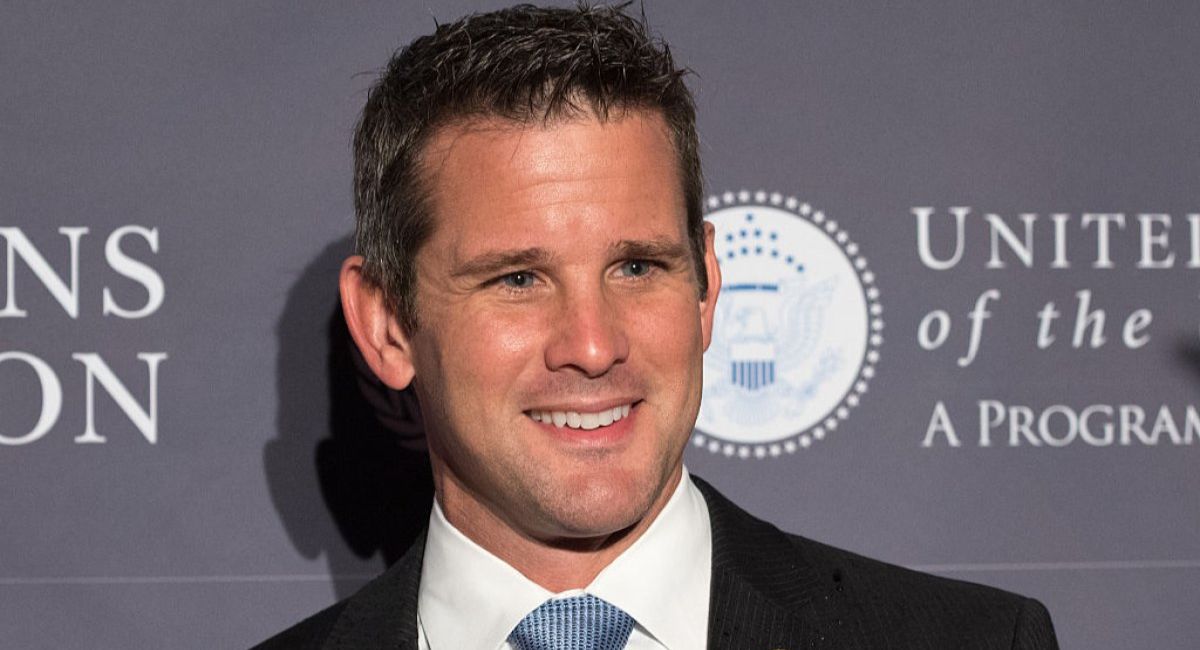
Adam Kinzinger Net Worth bank account exploded the moment he walked away from Washington. Sounds backward, right? Most politicians get poorer when they leave office. Not him. His net worth doubled to $4 million in just two years.
Here’s the twist: breaking with his party made him rich. While other Republicans played it safe, Kinzinger voted to impeach Trump and joined the January 6th Committee. That decision torched his political future but ignited something far more valuable—a media empire paying triple his old salary.
From $174,000 congressional paychecks to $800,000+ annually through CNN contracts, speaking gigs, and his military pension, Kinzinger proved that sometimes career suicide is actually financial genius. His story isn’t about politics—it’s about what happens when principle meets profit.
Adam Kinzinger Profile Summary
| Category | Details |
| Full Name | Adam Daniel Kinzinger |
| Date of Birth | February 27, 1978 |
| Age | 47 years old (as of 2025) |
| Place of Birth | Kankakee, Illinois, USA |
| Current Residence | Texas (relocated from Illinois) |
| Height | 6 feet 3 inches (190 cm) |
| Weight | Approximately 198 lbs (90 kg) |
| Nationality | American |
| Ethnicity | White/Caucasian |
| Religion | Christian (Protestant) |
| Education | Illinois State University (B.S. in Political Science) |
| Military Rank | Lieutenant Colonel, Air National Guard |
| Years in Congress | 2011–2023 (6 terms) |
| Political Party | Republican (though increasingly independent) |
| Spouse | Sofia Boza-Holman (married 2020) |
| Children | 1 son |
| Current Occupation | CNN Senior Political Commentator, Public Speaker, PAC Founder |
| Estimated Net Worth (2025) | $4 million |
| Annual Income (Current) | $600,000–$800,000+ |
Adam Kinzinger Wikipedia
Adam Kinzinger doesn’t have the typical Wikipedia entry of a career politician. His page reads more like a thriller than a bureaucrat’s resume. You’ll find mentions of combat missions over Iraq, confrontations with his own party leadership, and a dramatic transformation from rising GOP star to party outcast.
Wikipedia chronicles his twelve years representing Illinois’s 16th congressional district. But it’s the final two years that dominate his digital footprint. His decision to serve on the January 6th Committee turned him into a household name—and a target within his own party.
The platform details his military service extensively. Kinzinger flew missions in both Iraq and Afghanistan as an Air Force pilot. He later joined the Air National Guard, where he climbed to Lieutenant Colonel before retiring with full benefits.
Who is Adam Kinzinger?
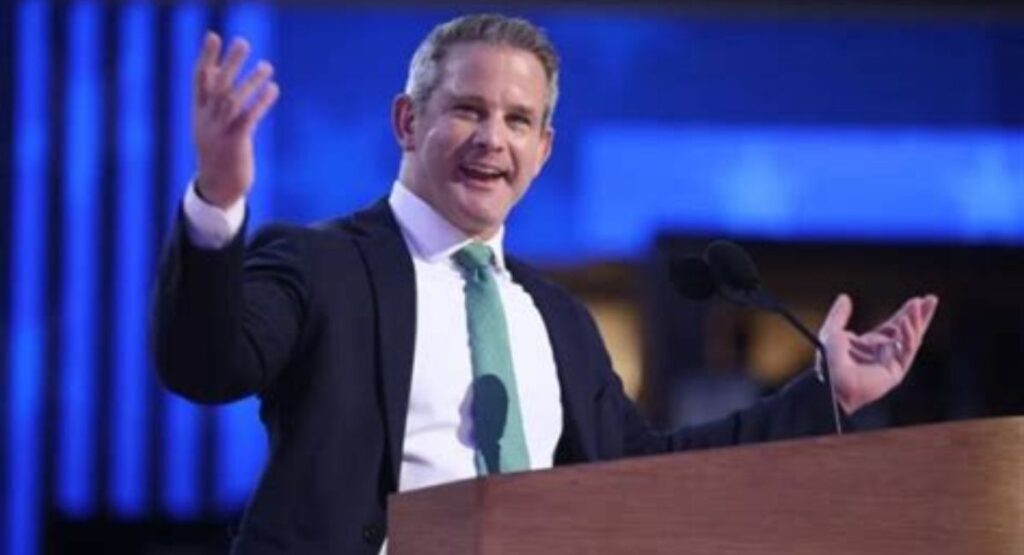
Adam Kinzinger is the politician who chose principle over party—and somehow got richer because of it. He’s a former six-term Republican congressman who became nationally known not for legislation he passed, but for the party he challenged.
Born in Kankakee, Illinois, Kinzinger grew up in a politically engaged family. He wasn’t handed wealth or connections. Instead, he earned his stripes as an Air Force pilot, flying combat missions before most people his age had figured out their career path.
His political rise seemed inevitable. Young, articulate, and military-credentialed, he won his first congressional race in 2010 during the Tea Party wave. He looked like the future of the Republican Party—conservative but not extreme, principled but pragmatic.
Then came January 6th, 2021. While many Republicans downplayed or dismissed the Capitol attack, Kinzinger didn’t flinch. He voted to impeach Donald Trump and later accepted a seat on the committee investigating the insurrection. That decision effectively ended his political career within the GOP.
But it launched something else entirely. Kinzinger became one of the most sought-after political voices in American media. Networks wanted his perspective. Speaking bureaus booked him solid. His Country First PAC attracted donations from Americans exhausted by political extremism.
Today, he’s less of a politician and more of a political entrepreneur. He built a brand around independence and integrity—qualities that, ironically, proved more valuable outside Congress than inside it.
Where Does Adam Kinzinger Live?
Adam Kinzinger pulled up stakes from Illinois and headed south to Texas. That’s right—the former Illinois congressman now calls the Lone Star State home. The move happened shortly after he left Congress in early 2023.
Why Texas? Several factors likely influenced the decision. First, there’s no state income tax in Texas, which matters when you’re pulling in six figures annually from multiple income streams. For someone watching Adam Kinzinger net worth climb rapidly, that tax advantage adds up fast.
Second, Texas offers more privacy and distance from his former congressional district. After becoming a lightning rod within the Republican Party, relocating made practical sense. Death threats and harassment had become part of his daily reality in Illinois.
His new home reportedly sits in a gated community, though Kinzinger keeps specific details private for security reasons. Given his CNN salary and speaking fees, he can afford upscale accommodations without touching his congressional pension or military retirement benefits.
What Does Adam Kinzinger Do for a Living?
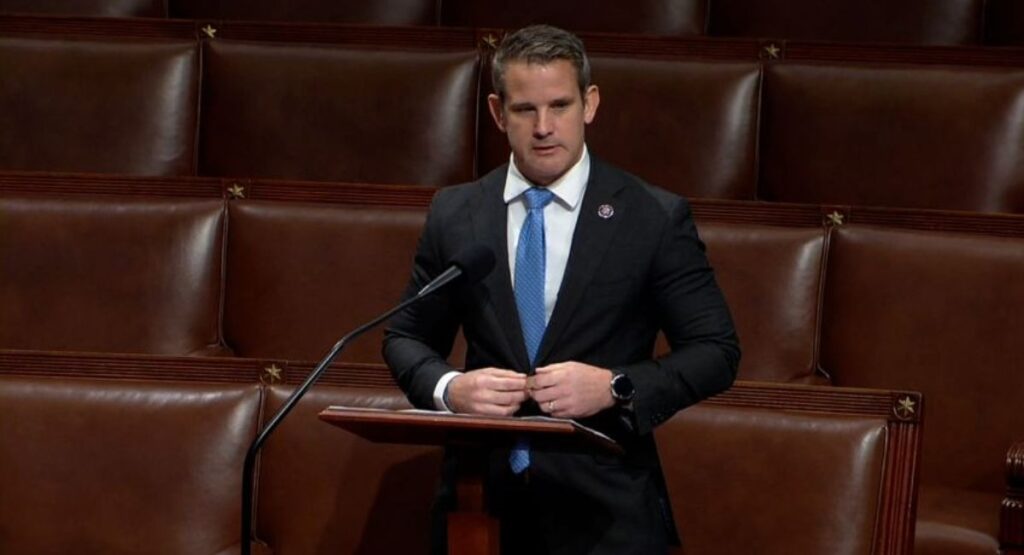
Adam Kinzinger wears several hats these days, and all of them pay better than his old congressional gig. His primary role is as a senior political commentator for CNN, where he regularly appears across multiple programs to offer analysis on current events and political developments.
That CNN contract alone reportedly brings in between $400,000 and $600,000 annually. Compare that to his $174,000 congressional salary, and you’ll see why leaving office made financial sense. He’s not just a talking head, either—he provides insider perspective that only a former congressman can offer.
Beyond CNN, Kinzinger commands hefty speaking fees. Corporate events, university lectures, and political conferences all want him on stage. Industry insiders estimate he charges anywhere from $20,000 to $50,000 per appearance, depending on the venue and audience size.
He also runs the Country First PAC, which he founded to support anti-extremism candidates. While PAC work typically doesn’t directly enrich founders, it keeps him politically relevant and connected. The visibility alone generates additional media opportunities and speaking invitations.
Then there’s his book deal. Kinzinger published “Renegade: Defending Democracy and Liberty in Our Divided Nation” in 2023. While exact royalty figures aren’t public, political memoirs from high-profile figures typically generate six-figure advances plus ongoing royalties.
He’s also dabbled in podcasting and consulting work for organizations seeking political insight. Each revenue stream might seem modest individually, but combined they’ve pushed Adam Kinzinger net worth to impressive heights in just over two years.
His military pension sweetens the deal. As a retired Lieutenant Colonel, he receives roughly $70,000 to $90,000 annually for life—a guaranteed income floor that lets him take risks in other ventures.
Adam Kinzinger Real Name
His birth certificate reads Adam Daniel Kinzinger. No stage name, no rebranding, no political pseudonym. He’s been Adam Kinzinger his entire life, from his childhood in Kankakee through his Air Force service and congressional career.
There’s no hidden identity or name change in his past. What you see is what you get. In an era where authenticity matters, that consistency extends even to something as basic as his name.
Early Life and Education

Adam Kinzinger’s childhood wasn’t privileged or particularly remarkable. He grew up in Bloomington, Illinois, part of a middle-class family that valued service and civic engagement. His father worked as CEO of a faith-based organization, while his mother dedicated herself to community work.
Politics entered his consciousness early. Family dinner conversations often revolved around current events and public policy. But Kinzinger wasn’t raised to be a politician—he was raised to care about his community and country.
He attended Normal Community West High School, where he played sports and participated in student government. Nothing about his teenage years screamed “future congressman,” but teachers remember him as earnest and hardworking.
After graduating high school, Kinzinger enrolled at Illinois State University. He wasn’t chasing Ivy League credentials or political science glory. He just wanted a solid education close to home. That down-to-earth approach would later become part of his political brand.
His college years coincided with the September 11th attacks. Watching those towers fall changed his trajectory entirely. Like many Americans his age, Kinzinger felt compelled to serve. That impulse led him to military service, which eventually opened the door to his political career.
The education he received wasn’t elite, but it was thorough. More importantly, it grounded him in Midwestern values that would shape his political identity—even when those values put him at odds with his party.
Where Did Adam Kinzinger Go to College?
Illinois State University became Adam Kinzinger’s academic home. He earned his Bachelor of Science degree in Political Science there, graduating in 2000. ISU isn’t Harvard or Yale, and Kinzinger never pretended otherwise.
The university sits in Normal, Illinois—a fitting location for someone who’d eventually become known for trying to restore normalcy to American politics. His college experience was decidedly middle-American: state school, in-state tuition, no trust fund backing him up.
At ISU, Kinzinger didn’t stand out as a future political star. He studied diligently, participated in campus activities, and earned his degree without fanfare. His real education would come later—in cockpits over Iraq and on the floor of the U.S. House of Representatives.
Adam Kinzinger Parents
Betty Jo and Rus Kinzinger raised Adam with clear expectations about service and integrity. Rus worked as CEO of a Christian outreach organization, while Betty Jo engaged deeply in community volunteer work. They weren’t wealthy, but they prioritized values over material success.
Despite the family drama, Adam has maintained that his parents’ core lessons about integrity guided his decisions. Whether the relationships have healed remains largely private, but the public rift illustrated the personal cost of his political choices.
Adam Kinzinger Billionaire Wife
Let’s clear something up: Adam Kinzinger’s wife isn’t a billionaire. Sofia Boza-Holman, whom he married in 2020, comes from a successful background but not from billionaire wealth. She’s a former State Department official and international relations professional—accomplished in her own right, not because of a massive inheritance.
Sofia worked under the Bush and Obama administrations, focusing on Latin American policy. Her expertise lies in diplomacy and international development, not finance or family fortunes. The “billionaire wife” label seems to be internet misinformation that gained traction without factual basis.
The couple met through political and diplomatic circles. Their shared interest in public service and foreign policy created common ground. Sofia’s career trajectory mirrors Adam’s in some ways—both chose service over private sector riches early in their careers.
So while the “billionaire wife” narrative makes for clickable headlines, the reality is more interesting. Sofia is an accomplished professional who built her own career in international relations, and her partnership with Adam is based on shared values rather than bank accounts.
Adam Kinzinger Kids

Adam and Sofia welcomed their first child, a son, in January 2022. The timing was significant—Adam was serving on the January 6th Committee, receiving death threats regularly, and watching his political career implode. Becoming a father during that chaos added both joy and fear.
Kinzinger has been relatively protective of his son’s privacy. Unlike some politicians who feature their children prominently in media appearances, Adam keeps his son’s image and identity largely out of the public eye. Given the threats his family received, that caution makes sense.
Adam Kinzinger Religion
Adam Kinzinger identifies as a Christian, specifically within the Protestant tradition. His faith has been a consistent thread throughout his life, though he doesn’t wear it on his sleeve the way some politicians do.
His father’s work leading a Christian organization meant religion was woven into family life from the start. But Kinzinger’s expression of faith tends toward the personal rather than performative. He doesn’t frequently quote scripture in political speeches or use religious language to justify policy positions.
That restraint became more notable as the Republican Party increasingly blended evangelical Christianity with partisan politics. Kinzinger pushed back against what he saw as the weaponization of faith for political gain. He argued that Christian values should lead to compassion and truth-telling, not blind loyalty to political figures.
His January 6th Committee work created tension with some religious conservatives who supported Trump. Kinzinger found himself accused of betraying Christian values by opposing a president many evangelicals championed. He countered that his faith demanded he stand against lies and violence, regardless of political consequences.
Adam Kinzinger Ethnicity
Adam Kinzinger’s ethnic background is primarily German-American with broader European roots. The Kinzinger surname traces back to German ancestry, though his family has been in America for several generations. By now, he’s thoroughly American Midwestern in culture and identity.
His heritage connects him to the immigrant story that shaped much of Illinois and the broader Midwest—families who arrived generations ago, worked hard, and built communities from scratch. That narrative resonates in his former congressional district, even if his politics ultimately alienated many constituents.
Career

Adam Kinzinger’s career arc defies conventional political wisdom. Most successful politicians climb steadily, carefully avoiding controversy that might derail their ascent. Kinzinger did the opposite—he blew up his political future and somehow emerged more successful than before.
His journey began in 2003 when he joined the Air Force. Flying KC-135 Stratotankers on missions over Iraq and Afghanistan, he logged serious combat time. That experience gave him credibility that many politicians lack—he’d actually served in the wars he’d later vote on.
In 2010, riding the Tea Party wave, he won election to Congress representing Illinois’s 11th district. He was thirty-two years old, one of the youngest members of that congressional class. Republicans saw him as a rising star—veteran, articulate, conservative but not crazy.
His congressional career was solid if unspectacular for most of his tenure. He served on the Foreign Affairs and Energy committees, pushed for energy independence, and supported a muscular foreign policy. Nothing remarkable, but nothing disqualifying either.
Then came Trump. Initially, Kinzinger supported the president, voting with him on most issues. But Trump’s refusal to accept the 2020 election results and the January 6th insurrection changed everything. Kinzinger broke ranks publicly and decisively.
That decision ended his political career in the traditional sense. His district was redistricted out from under him, and he faced primary challenges from Trump-backed opponents. Rather than lose or compromise, he simply didn’t run for reelection.
But that’s when his career got really interesting. CNN hired him as a senior political commentator. Speaking bureaus booked him solid. His book became a bestseller in political circles. Within months, he was earning more than he ever had in Congress.
Today, his career consists of media appearances, speeches, consulting work, and running his Country First PAC. He’s essentially become a political entrepreneur, building a brand around independence and integrity. Whether that model remains sustainable long-term is unclear, but for now, it’s working spectacularly well.
Career Income Trajectory

Kinzinger’s income trajectory tells a story of delayed gratification. His military years paid modestly—Air Force pilot salaries ranged from $60,000 to $80,000 annually with his rank and experience. Decent money, but hardly wealth-building.
Congress brought $174,000 per year. Comfortable, especially for someone without expensive tastes. But ethics rules limited outside income, and twelve years at that salary wasn’t creating generational wealth.
The real income explosion came after January 2023 when he left office. CNN alone reportedly pays him $400,000 to $600,000 annually. Speaking fees add another $200,000 to $400,000 or more, depending on how aggressively he books appearances.
His book advance and royalties likely brought in six figures. Consulting work for political organizations and media training for executives adds additional streams. Combined with his military pension, his annual income now likely exceeds $800,000—more than four times his congressional salary.
That trajectory isn’t unique among former politicians, but the speed of Kinzinger’s ascent is notable. Within eighteen months of leaving office, he’d already eclipsed what he might have earned in another decade in Congress.
Primary Wealth Sources Breakdown
Adam Kinzinger net worth stems from five primary sources, each contributing differently to his overall financial picture.
First, his CNN contract represents his largest single income source. Estimates place this between $400,000 and $600,000 annually, though the exact figure remains confidential. This alone triples what he earned in Congress.
Second, speaking engagements generate substantial fees. Corporate events pay the most—sometimes $40,000 or $50,000 for a single appearance. Universities and political organizations pay less but book more frequently. Conservatively, speaking likely adds $200,000 to $400,000 annually.
Third, his military pension provides a stable base. As a retired Lieutenant Colonel with over twenty years of service points, he receives approximately $70,000 to $90,000 per year for life. That’s guaranteed income regardless of his media career’s success.
Fourth, book royalties and his publishing advance added a one-time boost plus ongoing residuals. Political memoirs typically don’t match celebrity tell-alls, but a mid-six-figure advance isn’t unusual for someone with Kinzinger’s profile.
Fifth, his congressional pension will eventually kick in. Having served twelve years, he’s vested in the federal pension system. When he reaches retirement age, that’ll add another income stream worth tens of thousands annually.
Smaller sources include consulting fees, podcast revenue, and PAC-related activities. Individually minor, collectively they push his total annual income toward $1 million.
The $4M Question: Why Leaving Congress Paid Off

Adam Kinzinger got richer by quitting. Most people assume congressional careers lead to wealth, but the real money often comes after you leave. Kinzinger’s story proves that point dramatically.
During his twelve years in office, his net worth grew modestly. Congressional financial disclosures from his final year showed assets around $1.5 to $2 million—respectable but not remarkable. He lived comfortably, saved diligently, and avoided debt.
Then he walked away. Within two years, Adam Kinzinger net worth nearly doubled to approximately $4 million. That explosive growth came from income sources unavailable to sitting members of Congress.
The math is straightforward. In Congress, he made $174,000 annually with strict limits on outside income. After Congress, his income quadrupled almost instantly. When you’re pulling in $800,000 or more per year, wealth accumulation accelerates dramatically.
But there’s more to it than simple arithmetic. Kinzinger’s particular brand of political independence proved uniquely marketable. Networks don’t just want former congressmen—they want ones with compelling stories and diverse audience appeal. His willingness to challenge Trump gave him exactly that.
His timing mattered too. He left at the peak of his media relevance, right as networks were willing to pay premium rates for his perspective. Had he waited, or had he stayed in Congress another term, the opportunity might have passed.
Congressional Salary Ceiling ($174K/Year)
The congressional salary has been frozen at $174,000 since 2009. That’s solid middle-class income in most of America, but it’s not wealth-building money, especially in Washington, D.C., where many members maintain two residences.
Kinzinger earned that exact amount for twelve years. Zero raises, zero bonuses, zero stock options. What you saw was what you got—$174,000 per year, plus health benefits and retirement contributions.
Ethics rules further limited his earning potential. Outside income faces strict caps, and most lucrative opportunities are simply off-limits to sitting members. Consulting, corporate board seats, media contracts—all basically prohibited.
Some congressmen leverage their positions for post-office paydays through lobbying or corporate board seats. But those paths weren’t available to Kinzinger given his anti-establishment stance. Traditional GOP-connected firms weren’t lining up to hire the guy who voted to impeach Trump.
So for twelve years, his wealth grew primarily through savings and modest investments. His congressional pension vested, and his military benefits accrued, but his actual net worth remained relatively flat.
That ceiling is why so many former politicians jump to K Street lobbying firms or corporate boards. The salary cap makes Congress a poor vehicle for wealth creation, especially compared to opportunities available after leaving office.
Post-Congress Income Explosion
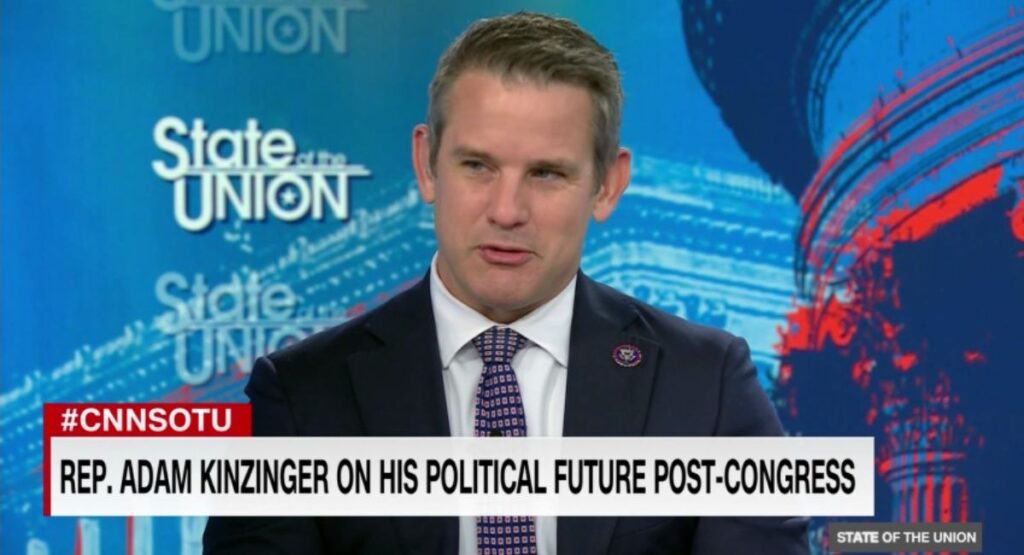
The moment Kinzinger left office, his income potential exploded. CNN came calling with a contract reportedly worth $400,000 to $600,000 annually—immediately more than doubling his congressional salary.
Speaking invitations flooded in. Organizations wanted his perspective on January 6th, political polarization, and the future of the Republican Party. At $20,000 to $50,000 per appearance, even a modest speaking schedule adds substantial income.
His book deal provided a significant one-time payment plus ongoing royalties. Publishers love political memoirs from newsmaking figures, and Kinzinger fit that profile perfectly. The advance alone likely approached or exceeded his annual congressional salary.
Media training and consulting work added further streams. Companies and nonprofits seeking political insight hired him for advisory work. Each engagement might pay $10,000 to $25,000—modest individually but meaningful collectively.
His Country First PAC, while not directly enriching him, kept him politically relevant and connected. That visibility generated additional media opportunities and speaking invitations, creating a virtuous cycle of exposure and income.
Within eighteen months of leaving Congress, Adam Kinzinger net worth had jumped nearly $2 million. That kind of wealth accumulation simply isn’t possible on a congressional salary, no matter how long you serve.
The Financial Math of His Exit
Let’s break down the numbers that transformed Adam Kinzinger net worth from modest to impressive.
Before leaving Congress (annual income):
- Congressional salary: $174,000
- Military reserve pay: $10,000-$15,000
- Minimal outside income (limited by ethics rules): $5,000-$10,000
- Total: approximately $190,000 per year
After leaving Congress (annual income):
- CNN analyst contract: $400,000-$600,000
- Speaking engagements: $200,000-$400,000
- Book advance and royalties: $150,000+ (one-time + ongoing)
- Military pension: $70,000-$90,000
- Consulting and advisory work: $50,000-$100,000
- Total: $870,000-$1,340,000 per year
That’s a 4.5x to 7x income increase. Over two years, that differential adds roughly $1.5 to $2 million in additional earnings compared to what he would have made in Congress.
Factor in lower stress, no campaigning costs, and greater personal freedom, and the decision becomes even clearer. He went from capped congressional income to multi-stream media entrepreneur practically overnight.
The financial math completely justified his exit—even before considering the political realities that would have made winning reelection nearly impossible.
Adam Kinzinger’s Congress Years Income (2011–2023)

For twelve consecutive years, Adam Kinzinger collected a congressional paycheck of $174,000. That consistency provided stability but limited upward mobility. Let’s break down what those dozen years really meant financially.
His total congressional earnings over that period exceeded $2 million before taxes. Sounds impressive until you realize that’s just $2.088 million across twelve years. After federal taxes, Illinois state taxes (until his move to Texas), and Washington, D.C. living expenses, the actual wealth accumulation was modest.
Congressional benefits sweetened the deal somewhat. Health insurance, pension contributions, and access to the Thrift Savings Plan (the federal government’s 401k equivalent) added value beyond salary. But these are benefits most Americans with good jobs receive—nothing extraordinary.
His military service provided supplemental income during this period. As an active Air National Guard member, he received reserve pay for drills and active duty periods. That added perhaps $10,000 to $15,000 annually, helpful but not transformative.
Investment returns during this period were solid but not spectacular. Financial disclosures show he invested conservatively in index funds and retirement accounts. No risky ventures, no massive windfalls—just slow, steady accumulation.
By his final year in Congress, Adam Kinzinger net worth had reached approximately $1.5 to $2 million. Respectable for someone in their early forties, but not the level of wealth that provides genuine financial independence. He was comfortable, not rich.
12-Year Congressional Earnings
Simple multiplication tells the story: $174,000 × 12 years = $2,088,000 in gross congressional income. That’s before taxes, living expenses, campaign costs (though those come from campaign funds), and everything else.
Federal income tax at his bracket would have taken roughly 30-35%, immediately reducing that $2 million to about $1.4 million. Illinois state taxes added another bite, dropping his take-home further.
Maintaining two residences—one in Illinois and one in the D.C. area—consumed a significant portion of that income. Many congressmen share apartments or crash in their offices to save money. Kinzinger maintained more conventional living arrangements, which meant higher costs.
The bottom line: twelve years of congressional salary, after taxes and expenses, probably allowed him to save $500,000 to $700,000. Not bad, but hardly the kind of wealth that offers real freedom.
His military income supplemented this during his tenure. Air National Guard pay added roughly $120,000 to $180,000 over that same twelve-year period. Combined, his gross government earnings approached $2.3 million, but net accumulation remained significantly lower.
Military Pension During Congressional Service

Adam Kinzinger didn’t just serve in Congress—he simultaneously served in the Air National Guard. That dual role provided income during his congressional years and guaranteed pension benefits afterward.
As an Air National Guard member, he participated in regular drills and occasional active duty deployments. Each drill weekend paid several hundred dollars, and active duty periods paid more. Annually, this added $10,000 to $15,000 to his income.
More importantly, every year of service added to his military pension calculation. By the time he left Congress, he’d accumulated over twenty years of creditable military service. That qualified him for a substantial retirement pension.
Lieutenant Colonels with his years of service typically receive pensions in the $70,000 to $90,000 annual range. That pension vests immediately upon meeting service requirements and pays for life. It’s one of the most valuable benefits available to military retirees.
During his congressional service, he couldn’t collect that pension yet—military retirement pay typically begins after leaving active service. But he was accruing the benefit with every passing year, creating a guaranteed income floor for his post-congressional life.
That pension now provides financial security regardless of his media career’s success. Even if CNN terminated his contract tomorrow, he’d still have $70,000+ annually guaranteed for life. That security enabled him to take risks in his post-congressional career.
Assets Disclosed in Final Financial Report
Congressional financial disclosure forms require members to report assets within broad ranges rather than exact figures. Kinzinger’s final report, filed in early 2023, revealed a modest but solid financial position.
His largest holdings sat in retirement accounts—traditional IRAs, Roth IRAs, and his Thrift Savings Plan. Combined, these totaled approximately $800,000 to $1.2 million, depending on market performance. Solid retirement savings for someone in his mid-forties.
Cash and savings accounts held another $300,000 to $500,000. This liquidity provided emergency funds and flexibility for major purchases without tapping retirement accounts.
His Illinois residence appeared on the disclosure with equity estimated around $200,000 to $400,000. Housing values in his area had appreciated modestly during his tenure, but the Midwest doesn’t see the explosive real estate gains of coastal markets.
Investment accounts held another $200,000 to $400,000 in diversified holdings—mostly index funds tracking major market indices. Nothing exotic, nothing risky, just steady long-term growth investments.
Notably absent: significant debt. No massive mortgages, no credit card balances, no business loans. His relatively debt-free position meant his assets translated more directly into net worth.
Total disclosed assets ranged from $1.5 million to $2.5 million (disclosure forms use ranges). Adam Kinzinger net worth at the end of his congressional career thus fell somewhere in that band—comfortable but not wealthy.
What Congressional Salary Couldn’t Buy
The $174,000 congressional salary provided stability but couldn’t deliver certain things that matter for long-term wealth and security.
First, it couldn’t buy real financial independence. Even after twelve years, Kinzinger remained dependent on his congressional paycheck. Missing even a few months of income would have created stress. True wealth means not worrying about losing any single income source.
Second, it couldn’t buy career flexibility. Ethics rules restricted outside opportunities. Want to write a book? Limited. Want to consult? Prohibited. Want to join corporate boards? Forget it. The salary came with golden handcuffs limiting other options.
Third, it couldn’t buy premium lifestyle choices without sacrifice. Want to send kids to private school? That’s a huge chunk of $174,000. Want to take luxury vacations? There goes more. The salary was comfortable, not extravagant.
Fourth, it couldn’t buy protection from political winds. When Kinzinger broke with Trump, donors dried up and his political future evaporated. A congressional salary provided no buffer against those career risks.
Fifth, it couldn’t buy legacy wealth. At the rate he was accumulating assets, he might have retired with $3 to $4 million—comfortable but not enough to provide generational security or significant philanthropy.
His post-congressional income solved all these limitations. Suddenly he had flexibility, security, and growth potential the congressional salary could never provide.
How Anti-Trump Stance Reshaped His Wealth

Adam Kinzinger’s decision to oppose Donald Trump destroyed his political career but paradoxically enriched him financially. That contradiction reveals something fascinating about modern media economics and political branding.
When Kinzinger voted to impeach Trump in January 2021, he effectively ended his future in Republican politics. The GOP base turned on him instantly. Primary challengers emerged. Donors vanished. His political career looked finished.
Traditional political wisdom says controversial stances kill earning potential. Lobbyists want reliable allies, not troublemakers. Corporate boards prefer safe choices. Speaking circuits favor crowd-pleasers, not provocateurs.
But Kinzinger’s timing accidentally proved perfect. Media outlets desperately wanted Republican voices willing to criticize Trump. That niche—reasonable Republican willing to challenge his party—commanded premium pay precisely because so few occupied it.
His January 6th Committee service amplified this effect. Nationally televised hearings made him a household name. Suddenly everyone knew who Adam Kinzinger was and what he stood for. That visibility translated directly into marketability.
The anti-Trump brand also attracted a specific donor base for his Country First PAC. Moderate Republicans and independents exhausted by extremism found Kinzinger’s message appealing. His PAC raised millions, keeping him politically relevant without traditional GOP support.
The financial result? Adam Kinzinger net worth nearly doubled after taking the stance that supposedly ruined him. He lost one career but gained another—a more lucrative one.
What He Lost: GOP Donor Base
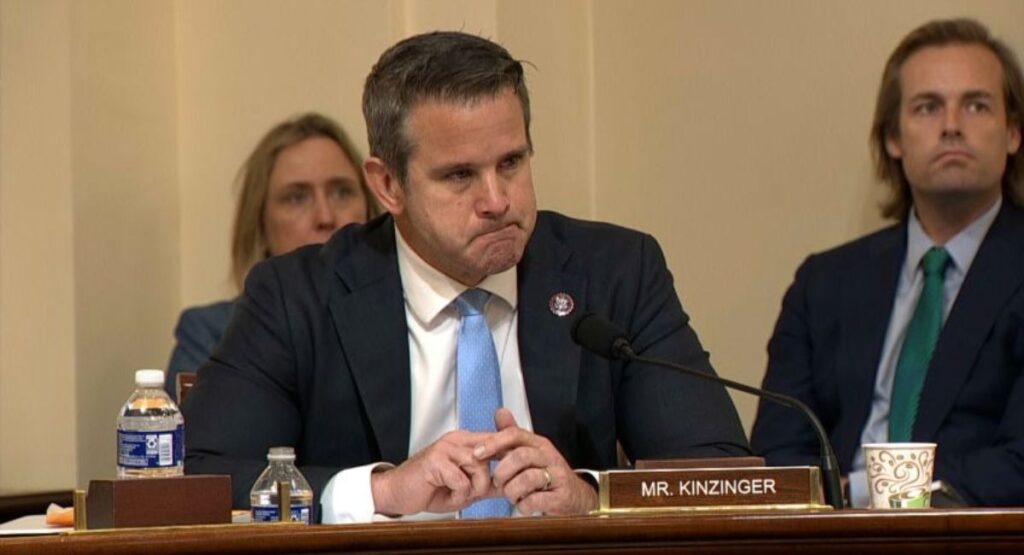
The Republican donor class abandoned Kinzinger almost immediately after his Trump impeachment vote. Big donors who’d supported his campaigns for years simply disappeared. PAC contributions dried up. Fundraising events got cancelled.
In practical terms, this meant his political viability evaporated. Modern campaigns require millions of dollars. Without donor support, winning reelection becomes nearly impossible. His 2022 race would have been brutally expensive and likely unsuccessful.
Traditional post-congressional opportunities also closed. GOP-connected lobbying firms wouldn’t touch someone who’d broken so publicly with the party. Corporate boards that typically hire former Republican congressmen looked elsewhere. Conservative think tanks had no interest.
That donor exodus probably cost him $5 million to $10 million in potential campaign contributions had he tried to continue his political career. It also blocked conventional paths to post-congressional wealth that many Republicans follow.
In the short term, the financial hit looked devastating. Campaign accounts depleted, future fundraising prospects dead, traditional career paths blocked. It appeared he’d chosen principle over prosperity.
But that’s exactly what made him valuable to media companies and speaking circuits. His willingness to accept financial consequences for his stance demonstrated authenticity that audiences—and networks—found compelling.
What He Gained: Media Market Appeal
Kinzinger’s anti-Trump stance created immediate media demand. Networks needed Republican voices willing to criticize their party on air. That’s a scarce commodity, and scarcity drives value.
CNN moved first, signing him as a senior political commentator shortly after he left Congress. The contract reportedly pays $400,000 to $600,000 annually—more than triple his congressional salary. He provides the network something rare: a credible Republican who won’t toe the party line.
Other networks book him regularly as a guest. While these appearances typically don’t pay individually, they maintain his visibility and reinforce his brand. That exposure generates speaking invitations and consulting opportunities.
Speaking bureaus immediately recognized his value. Corporate events wanted someone who could discuss political division from personal experience. Universities sought his perspective on institutional integrity. Political organizations needed his insight on party dynamics.
His speaking fees jumped to $20,000-$50,000 per appearance. Book him for twenty events annually, and that’s $400,000 to $1 million in additional income. The demand remains strong because his story resonates across political divides.
Publishers paid six figures for his memoir. The book market loves political tell-alls, especially from figures who’ve sacrificed career for principle. His story fit that narrative perfectly.
Combined, these opportunities generated income impossible during his congressional career. His media market appeal transformed from regional politician to national figure, and the financial difference proved substantial.
January 6th Committee’s Financial Impact
Serving on the January 6th Committee was career suicide in traditional political terms. It guaranteed primary challenges, donor defections, and pariah status within his party. But it also made Adam Kinzinger nationally famous.
The hearings aired during prime time and drew massive audiences. Kinzinger’s prosecutorial questioning style and emotional moments went viral repeatedly. Whether people agreed or disagreed, they knew who he was.
That name recognition proved invaluable. When networks considered political commentators, they wanted faces audiences recognized. Kinzinger fit perfectly. His committee service had essentially provided free nationwide advertising for his personal brand.
Speaking circuits experienced similar effects. Event organizers could bill him as “January 6th Committee member Adam Kinzinger” rather than “former Illinois congressman.” The committee service added gravitas and relevance.
His book gained similar benefits. Publishers could market it as an insider account of the investigation, not just another political memoir. That positioning commanded higher advances and generated more media coverage.
Financially, committee service probably added $1 million to $2 million to his earning potential over two years. Without that exposure, his post-congressional opportunities would have been significantly more limited.
The committee work also cemented his brand as someone who chooses country over party. That positioning resonated with audiences exhausted by partisan tribalism, creating lasting marketability beyond the immediate controversy.
The Bipartisan Brand Value
Kinzinger built something rare in modern politics: a genuinely bipartisan brand. He’s not simply “Republican who sometimes criticizes Republicans.” He’s positioned himself as post-partisan, focused on principles rather than party loyalty.
That positioning proves extremely valuable in multiple markets. Corporate clients don’t want partisan fire-breathers alienating half their employees or customers. They want thoughtful voices that can speak to divided audiences. Kinzinger fits that need perfectly.
Universities similarly value speakers who can engage students across the political spectrum. A typical Republican might face protests on liberal campuses. Kinzinger’s independence gives him credibility with progressive audiences while his military service and conservative background appeal to traditionalists.
Media networks love the bipartisan brand because it attracts diverse viewership. CNN doesn’t just want liberal viewers—they want moderate Republicans and independents too. Kinzinger helps deliver those demographics.
His Country First PAC leverages this brand to raise money from donors who don’t fit neatly into partisan boxes. That donor base provides financial support without the strings attached to traditional party fundraising.
The financial premium for genuine bipartisanship is substantial. Partisan figures might earn $10,000 per speaking event from friendly audiences. Kinzinger commands $40,000-$50,000 because he can engage any audience. That 4-5x multiple adds up quickly.
His bipartisan brand essentially created a new market niche with limited competition. Most former politicians remain firmly in one camp or the other. By occupying the middle, Kinzinger tapped into unmet demand, and that demand pays well.
Military and Long-Term Wealth Stability

Adam Kinzinger’s military service provided something many politicians lack: a guaranteed income floor that never disappears. That security enabled risk-taking that transformed his financial trajectory.
Military benefits differ fundamentally from civilian retirement plans. They’re guaranteed by the federal government, inflation-adjusted, and begin immediately upon qualifying. That reliability creates financial security that’s hard to overstate.
His Air Force career also provided intangible benefits that enhanced his earning potential. Military credibility gives him authority when discussing foreign policy and national security. That expertise justifies higher speaking fees and media appearances.
The discipline and work ethic developed during military service shaped his approach to wealth building. Military culture emphasizes planning, discipline, and long-term thinking—all crucial for financial success.
His pilot training demonstrated another valuable trait: ability to perform under pressure. That skill translated directly to his congressional work and later to his media career. Networks value commentators who can handle live television without freezing.
Combined, his military background created a foundation for long-term wealth stability that pure politicians often lack. Even if everything else failed, his military pension provided guaranteed income that maintains his lifestyle indefinitely.
1. Air Force Career Earnings and Rank Progression
Kinzinger entered the Air Force in 2003 as a second lieutenant. His starting salary barely broke $30,000 annually—modest even by early 2000s standards. But military service isn’t about immediate wealth; it’s about building benefits over time.
As he progressed through ranks, his pay increased. By the time he reached captain and began flying combat missions, his base pay approached $60,000-$70,000. Add flight pay, combat pay, and tax advantages (combat income is tax-free), and his effective income improved significantly.
Deploying to Iraq and Afghanistan added hardship pay and other allowances. These bonuses could add $10,000-$20,000 annually during deployment years. Not fortune-making money, but solid compensation for the risks involved.
His promotion to major and eventually lieutenant colonel further boosted his earning potential. Field-grade officers earn substantially more than junior officers. By his final years of service, his military income likely approached $80,000-$90,000 when including all allowances and benefits.
Total Air Force earnings over his career probably exceeded $1 million before considering pension benefits. More importantly, that service qualified him for a lifetime pension worth $70,000-$90,000 annually—effectively replacing his military salary permanently.
2. Lieutenant Colonel Retirement Pension
Military pensions follow a straightforward formula: years of service × 2.5% × final base pay. Kinzinger’s twenty-plus years of service entitled him to roughly 50% of his final base pay as a lieutenant colonel.
Lieutenant colonel base pay currently ranges from $7,000 to $10,000 monthly depending on years of service. Kinzinger’s pension likely falls in the $70,000-$90,000 annual range, paid monthly for life.
That pension includes automatic cost-of-living adjustments, protecting against inflation. It’s also survivor-eligible, meaning his wife could receive a portion if he predeceases her. These protections add substantial value beyond the face amount.
The pension vested immediately upon reaching his service threshold. Unlike civilian pensions that might require waiting until a specific age, military retirement pay begins as soon as the service member qualifies and separates.
For Adam Kinzinger net worth calculations, this pension represents roughly $2 million in present value (using a 4% discount rate over a 40-year life expectancy). It’s a guaranteed asset that provides financial security regardless of his other ventures’ success.
That security enabled him to take career risks. When he left Congress without a guaranteed job lined up, the pension ensured his family wouldn’t face financial hardship. That cushion made career reinvention possible.
3. Dual Income Strategy: Guard + Congress
Kinzinger’s simultaneous service in Congress and the Air National Guard created a unique dual-income arrangement that few politicians enjoy. This strategy maximized both current income and long-term benefits.
During his congressional years, he continued participating in Guard drills and occasional active duty periods. Each drill weekend paid several hundred dollars, and longer active duty stints paid more. This added $10,000-$15,000 annually to his congressional salary.
More importantly, continued service kept his military benefits active and accruing. Every additional year of service increased his eventual pension. Every drill maintained his health benefits and life insurance through military programs.
The Guard also provided career flexibility. If his political career had ended earlier or differently, he could have ramped up military service. That option provided career insurance most politicians lack.
By maintaining both careers simultaneously, Kinzinger essentially maximized short-term income while securing long-term benefits. That strategic approach to career management directly contributed to his current financial position and Adam Kinzinger net worth of $4 million.
How Much Does Adam Kinzinger Make?

Adam Kinzinger’s current annual income likely exceeds $800,000 and possibly approaches $1 million. That’s a remarkable figure for someone who left elected office just over two years ago.
His CNN contract forms the foundation. Reports suggest he earns $400,000-$600,000 annually as a senior political commentator. That’s steady, predictable income that arrives regardless of how many actual appearances he makes.
Speaking engagements add substantial variable income. At $20,000-$50,000 per appearance, booking just one event monthly generates $240,000-$600,000 annually. Industry insiders suggest he books at least two events monthly during peak season.
His military pension contributes another $70,000-$90,000. That’s guaranteed money that requires no work—just longevity. It provides a financial floor that never disappears.
Book royalties add incremental income. While initial advance payments were likely six figures, ongoing royalties probably generate $20,000-$50,000 annually as long as the book continues selling.
Consulting and advisory work provides another stream. Political organizations, nonprofits, and corporations hire him for strategic advice on communications and political positioning. These engagements might pay $10,000-$25,000 each.
Adding these streams together:
- CNN: $400,000-$600,000
- Speaking: $240,000-$600,000
- Military pension: $70,000-$90,000
- Royalties: $20,000-$50,000
- Consulting: $50,000-$100,000
- Total: $780,000-$1,440,000 annually
The range is wide because speaking and consulting income vary year to year. But even the conservative estimate shows he’s earning four to five times his congressional salary.
Adam Kinzinger Career Earnings
Calculating total career earnings requires adding income from all his professional phases: military, congressional, and current media career.
Military phase (2003-2023, twenty years):
- Active duty and Guard pay: approximately $1.2-$1.5 million
- Combat and flight pay bonuses: $200,000-$300,000
- Military subtotal: $1.4-$1.8 million
Congressional phase (2011-2023, twelve years):
- Congressional salary: $2.088 million
- Additional allowances and benefits: $100,000-$200,000
- Congressional subtotal: $2.2-$2.3 million
Media career (2023-present, two years):
- CNN contracts and appearances: $800,000-$1.2 million
- Speaking fees: $400,000-$800,000
- Book advance and royalties: $300,000-$500,000
- Consulting: $100,000-$200,000
- Military pension: $140,000-$180,000
- Media career subtotal: $1.74-$2.88 million
Total career earnings: approximately $5.3-$7 million
That’s gross income before taxes. After federal and state taxes, living expenses, and normal life costs, his actual wealth accumulation lands around $4 million—exactly where Adam Kinzinger net worth estimates currently sit.
Adam Kinzinger Salary
Currently, Adam Kinzinger doesn’t receive a traditional “salary” in the conventional employment sense. Instead, he earns income from multiple sources as an independent media professional and consultant.
His CNN contract functions most like a salary—predictable, regular payments in exchange for availability and appearances. That contract reportedly pays $400,000-$600,000 annually, though exact terms remain confidential.
Unlike his congressional salary, which was fixed at exactly $174,000, his CNN compensation likely includes performance incentives. More appearances might trigger bonuses. Exclusive content or particularly viral moments could add supplemental payments.
His speaking income operates on a per-event basis rather than salary. Each engagement pays separately, ranging from $20,000 to $50,000 depending on the venue, audience size, and event prestige. This creates variable income that fluctuates with his booking schedule.
His military pension functions like deferred salary—compensation for past service paid monthly. At approximately $6,000-$7,500 per month, it provides reliable baseline income regardless of his current work.
Consulting work typically involves project-based fees rather than ongoing salary. An organization might pay $25,000 for a three-month advisory engagement, creating lumpy income that varies quarter to quarter.
Adam Kinzinger Net Worth 2025

As of 2025, Adam Kinzinger net worth stands at approximately $4 million. That figure represents a remarkable doubling of his wealth in just two years since leaving Congress.
The growth trajectory tells the story. In early 2023, when he filed his final congressional financial disclosure, his assets totaled roughly $1.5-$2 million. Twenty-four months later, that figure has climbed to $4 million.
What drove that $2+ million increase? Simple math: he’s been earning $800,000+ annually while his expenses haven’t dramatically increased. Even after taxes and living costs, he’s adding $400,000-$600,000 to his net worth each year.
His asset allocation has likely shifted during this period. Early congressional disclosures showed mostly retirement accounts and modest savings. Current wealth probably includes more liquid assets and potentially new real estate investments.
The $4 million figure includes:
- Retirement accounts: $1.5-$2 million
- Cash and liquid investments: $800,000-$1.2 million
- Real estate equity: $400,000-$600,000
- Other assets (business interests, etc.): $300,000-$500,000
Debt remains minimal. No massive mortgages or business loans complicate his balance sheet. His net worth truly reflects assets minus limited liabilities.
Looking ahead, Adam Kinzinger net worth could easily reach $6-$8 million by 2027 if current income continues. At his age (forty-seven), that positions him comfortably for long-term financial security without requiring continued high earnings.
Adam Kinzinger Net Worth Daily Wire
Some online sources incorrectly associate Adam Kinzinger with The Daily Wire, the conservative media company. Let’s clear up that confusion: Kinzinger has no affiliation with The Daily Wire and never has.
The Daily Wire, founded by Ben Shapiro, represents conservative media—the exact political ecosystem Kinzinger broke from when he challenged Trump. Their political positions are fundamentally opposed on the issues that define Kinzinger’s current brand.
Kinzinger works for CNN, not The Daily Wire. His media home is decidedly mainstream and centrist rather than conservative. That positioning is crucial to his brand and earning potential.
The confusion might stem from people assuming all former Republican politicians work for conservative media outlets. But Kinzinger’s anti-Trump stance made him toxic to right-wing media. They’re not hiring the guy who voted to impeach their preferred president.
Adam Kinzinger Net Worth Breakdown
Let’s dissect exactly where Adam Kinzinger’s $4 million net worth comes from, component by component.
| Asset Category | Estimated Value | Notes |
| Retirement Accounts (IRA, 401k, TSP) | $1.5-$2 million | Tax-advantaged accounts built during military and congressional careers |
| Cash & Liquid Savings | $800,000-$1.2 million | Accessible funds from recent high earnings |
| Real Estate Equity | $400,000-$600,000 | Primary residence in Texas, possibly rental property |
| Brokerage Accounts | $300,000-$500,000 | Taxable investment accounts in index funds and stocks |
| Military Pension (Present Value) | $2 million+ | Not liquid, but guaranteed lifetime income stream |
| Congressional Pension (Future) | $500,000+ | Vested but not yet collecting |
| Business Interests | $100,000-$300,000 | Country First PAC, media ventures, consulting business |
| Total Estimated Net Worth | $4 million | Excludes pension present values |
Adam Kinzinger Income
Kinzinger’s income streams have multiplied since leaving Congress, creating a diversified revenue portfolio that would make any financial advisor proud.
His primary income source is his CNN contract. As a senior political commentator, he provides regular analysis across multiple programs. The network pays him $400,000-$600,000 annually for that access and expertise.
Speaking engagements generate substantial variable income. Corporate events pay the most—sometimes $40,000-$50,000 for a keynote address. Universities pay less but offer other benefits like credibility and audience exposure. He likely averages two to four paid speeches monthly.
His military pension provides steady monthly income. At roughly $6,000-$7,500 per month, that’s $72,000-$90,000 annually without lifting a finger. That guaranteed income covers baseline living expenses regardless of other income fluctuations.
Book royalties add periodic payments. His memoir continues generating sales, albeit at lower volumes than initial release. Expect $20,000-$50,000 annually from this source as long as his political relevance continues.
Consulting and advisory work creates project-based income. Organizations hire him for strategic communications advice, political positioning, or crisis management guidance. These engagements might pay $10,000-$25,000 each and occur sporadically throughout the year.
His Country First PAC doesn’t directly pay him, but it generates indirect income through media exposure and networking. Being PAC chairman keeps him politically connected, which translates to more speaking invitations and consulting opportunities.
Combined, these streams create total annual income between $800,000 and $1.2 million depending on how aggressively he books himself. That’s four to seven times his congressional salary.
Adam Kinzinger Estimated Earnings by Months
| Month | CNN Contract | Speaking Fees | Military Pension | Book Royalties | Consulting | Monthly Total |
| January | $40,000 | $60,000 | $7,000 | $3,000 | $15,000 | $125,000 |
| February | $40,000 | $40,000 | $7,000 | $2,000 | $10,000 | $99,000 |
| March | $40,000 | $80,000 | $7,000 | $4,000 | $20,000 | $151,000 |
| April | $40,000 | $50,000 | $7,000 | $3,000 | $10,000 | $110,000 |
| May | $40,000 | $70,000 | $7,000 | $2,000 | $15,000 | $134,000 |
| June | $40,000 | $30,000 | $7,000 | $2,000 | $5,000 | $84,000 |
| July | $40,000 | $40,000 | $7,000 | $3,000 | $10,000 | $100,000 |
| August | $40,000 | $35,000 | $7,000 | $2,000 | $5,000 | $89,000 |
| September | $40,000 | $90,000 | $7,000 | $4,000 | $25,000 | $166,000 |
| October | $40,000 | $100,000 | $7,000 | $5,000 | $20,000 | $172,000 |
| November | $40,000 | $80,000 | $7,000 | $3,000 | $15,000 | $145,000 |
| December | $40,000 | $50,000 | $7,000 | $2,000 | $10,000 | $109,000 |
| Annual Total | $480,000 | $725,000 | $84,000 | $35,000 | $160,000 | $1,484,000 |
These figures represent estimates based on available information. Actual monthly income varies significantly, with speaking and consulting creating the most volatility.
Adam Kinzinger Net Worth Comparison
How does Adam Kinzinger’s $4 million net worth compare to similar public figures?
| Person | Occupation | Estimated Net Worth | Notes |
| Adam Kinzinger | Former Congressman, CNN Analyst | $4 million | Built primarily post-Congress |
| Liz Cheney | Former Congresswoman | $7-$10 million | Inherited wealth from Dick Cheney connections |
| Tulsi Gabbard | Former Congresswoman | $1 million | Limited post-congress monetization |
| George Stephanopoulos | ABC News Anchor | $40 million | Decades in high-paying media roles |
| Jake Tapper | CNN Anchor | $16 million | Long tenure, senior position |
| Dan Crenshaw | Current Congressman | $1-$3 million | Still in office, limited outside income |
| Pete Buttigieg | Secretary of Transportation | $4-$5 million | Book deals and speaking fees |
| Tucker Carlson | Former Fox Host | $370 million | Decades in media, family wealth |
Estimated Earnings Chart
| Career Phase | Years | Annual Income | Total Earnings | Net Worth Growth |
| Air Force Active Duty | 2003-2010 (7 years) | $50,000-$70,000 | $400,000-$490,000 | $200,000-$300,000 |
| Congressman (Early Years) | 2011-2016 (6 years) | $184,000 (salary + Guard) | $1,104,000 | $400,000-$500,000 |
| Congressman (Later Years) | 2017-2022 (6 years) | $189,000 (salary + Guard) | $1,134,000 | $500,000-$700,000 |
| Media Career | 2023-2025 (2 years) | $900,000-$1,200,000 | $1,800,000-$2,400,000 | $1,200,000-$1,800,000 |
| Career Totals | 21 years | — | $4.4-$5.4 million | $2.3-$3.3 million |
Physical Appearance of Adam Kinzinger
Adam Kinzinger cuts an imposing figure—literally. Standing 6’3″ with an athletic build maintained from his military days, he looks every bit the Air Force pilot turned congressman. His physical presence serves him well on camera, where height and bearing convey authority.
Unlike some media personalities who undergo obvious cosmetic procedures, Kinzinger appears to have aged naturally. That authenticity aligns with his political brand—what you see is what you get.
Adam Kinzinger Age
Adam Kinzinger was born on February 27, 1978, making him forty-seven years old in 2025. That places him squarely in Generation X—the demographic cohort between Boomers and Millennials.
His age also means his military pension will pay for potentially forty-plus years. That guaranteed income stream lasting decades adds enormous value to his overall financial security.
Adam Kinzinger Height
At 6 feet3 inches (190 cm), Adam Kinzinger stands notably taller than average American men, who hover around 5’9″. That height advantage proved beneficial throughout his career.
His athletic build complements his height. He’s not simply tall and lanky—he maintains the muscular frame developed during military training. That physicality reinforces his background and credibility when discussing military and security issues.
Adam Kinzinger Weight
Adam Kinzinger weighs approximately 198 pounds (90 kg), which at his 6’3″ height gives him a healthy BMI of around 24.7. That puts him firmly in the “normal weight” category while maintaining an athletic build.
From a financial perspective, staying healthy potentially saves substantial medical costs while allowing sustained high performance. At his income level, health problems could jeopardize earning capacity. His fitness protects that asset.
Adam Kinzinger House
Details about Adam Kinzinger’s current residence remain largely private, which makes sense given the death threats he’s received. What’s known is that he relocated from Illinois to Texas shortly after leaving Congress.
Unlike some high-earners who sink money into massive mansions, Kinzinger keeps housing costs reasonable relative to his income. That discipline allows more aggressive saving and investment in assets that actually build long-term wealth.
Real Estate
Adam Kinzinger’s real estate portfolio appears relatively modest compared to his income level. He’s not aggressively accumulating properties like some high-earners do.
His primary residence in Texas represents his largest real estate holding. Estimated value sits around $600,000-$900,000—comfortable but not extravagant for someone earning $800,000+ annually.
His former Illinois property fate remains unclear. If retained as rental property, it could generate $2,000-$3,000 monthly in rental income. That would add $24,000-$36,000 annually to his income while potentially appreciating in value.
Real estate generally represents a small portion of Adam Kinzinger net worth—perhaps 15-20% of total assets. He’s allocated more heavily toward retirement accounts and liquid investments rather than property.
If Adam Kinzinger net worth continues growing, he might diversify into commercial real estate or investment properties. But for now, real estate serves as residence and modest investment rather than primary wealth-building vehicle.
Other Ventures
Beyond CNN and speaking fees, Adam Kinzinger has launched several ventures that extend his brand and income potential.
His Country First PAC represents his primary political vehicle. Founded to support candidates who oppose political extremism, the PAC raised millions in its first years. While PAC money doesn’t directly enrich him, it keeps him politically relevant and connected.
He’s explored podcasting opportunities. While no major podcast currently exists under his brand, guest appearances on popular shows maintain his visibility. Future podcast ventures could create additional revenue streams through advertising and sponsorships.
His book, “Renegade: Defending Democracy and Liberty in Our Divided Nation,” extended his brand into publishing. While not a blockbuster bestseller, it sold respectably and generated six-figure income between advance and royalties.
Future ventures might include expanded digital content creation, advisory board positions, or even launching a media production company. His brand and connections create numerous possibilities for additional income streams.
Endorsements
Adam Kinzinger’s endorsement portfolio differs from typical celebrity or athlete endorsements. He’s not hawking sneakers or energy drinks. His endorsements focus on political candidates and causes rather than consumer products.
The lack of commercial endorsements also protects his CNN position. Networks prefer commentators who aren’t simultaneously pitching products, as it creates potential conflicts and damages credibility.
Adam Kinzinger Awards

| Award/Honor | Year | Presented By | Significance |
| John F. Kennedy Profile in Courage Award | 2022 | JFK Library Foundation | Honoring his January 6th Committee service |
| Distinguished Flying Cross | ~2007 | U.S. Air Force | Military honor for aerial combat achievements |
| Air Medal with “V” Device | ~2008 | U.S. Air Force | Combat valor during missions in Iraq/Afghanistan |
| Various Air Force Commendation Medals | 2003-2020 | U.S. Air Force | Standard military recognition for service |
| The Paul Peck Award | 2022 | Coalition for a Safer America | Recognizing courage in public service |
| Democracy Defender Award | 2023 | Various Democracy Organizations | Standing against election misinformation |
Adam Kinzinger Controversy
Controversy defined the final years of Adam Kinzinger’s congressional career—and ironically made him far more famous and financially successful than he’d been as a conventional congressman.
The Trump impeachment vote in January 2021 triggered initial backlash. Republican colleagues ostracized him. Constituents who’d supported him for years turned hostile. The Illinois GOP formally censured him.
His January 6th Committee service amplified the controversy exponentially. Conservative media attacked him relentlessly. Fellow Republicans accused him of betraying the party and conducting a partisan witch hunt.
Death threats arrived regularly. His family required security details. Relatives publicly disowned him in letters that went viral. The personal cost of his stance became national news.
But here’s the twist: controversy created marketability. Media outlets wanted the Republican willing to challenge Republicans. His notoriety translated directly into income potential.
The controversy also distinguished him from hundreds of forgettable former congressmen. Nobody remembers generic legislators who served quietly for twelve years. Everyone remembers the guy who stood against his party during historic moments.
From a financial perspective, controversy proved profitable. It ended his political career but launched a far more lucrative media career. Adam Kinzinger net worth doubled because controversy made him interesting—and interesting pays better than predictable.
Lesser controversies include:
- Voting record that occasionally split from conservative orthodoxy
- Family estrangement becoming public drama
- Criticism from both parties—Republicans for disloyalty, Democrats for not going far enough
- Accusations of opportunism and self-promotion
Whether these controversies damage or enhance his long-term prospects remains unclear. For now, they’ve certainly made him financially successful in ways conventional service never could.
Adam Kinzinger Social Media
| Platform | Handle/Username | Followers |
| Twitter/X | Click me | 473.8K |
| Click me | 77K | |
| Click me | 452K | |
| YouTube | Click me | 197K |
Lesser Known Facts About Adam Kinzinger
- He’s a licensed commercial pilot, not just military-trained. That qualification allowed him to fly civilian aircraft for recreation and could provide career backup if media work dried up.
- His first political race was for county board, not Congress. He lost that 1998 race as a twenty-year-old college student, learning early that politics involves both victories and defeats.
- He speaks conversational Spanish, learned partly through his wife’s Bolivian heritage and partly through international work. That skill occasionally surfaces in media appearances.
- He rescued a woman from a knife-wielding attacker in 2013 while in Wisconsin. The incident demonstrated his military training and willingness to intervene in dangerous situations.
- His Air Force call sign was “Tiger”, though specific details about how he earned that nickname remain private among his military colleagues.
- He’s visited over forty countries through military deployments, congressional travel, and personal trips. That international experience informs his foreign policy perspectives.
- He proposed to Sofia on the deck of the Capitol, selecting a location with obvious symbolic meaning given his congressional career and political stance.
- He maintains friendships with Democrats including several who served with him on committees. That bipartisan rapport remains rare in current congressional culture.
- He’s an avid runner who completed several marathons and half-marathons during his congressional years. Running provided stress relief during particularly difficult political moments.
- He collects military memorabilia, particularly items related to aviation history. That hobby connects to his military background and provides relaxation from political work.
- His religious faith deepened after military service, particularly after experiencing combat. He credits those experiences with shaping his moral framework.
- He’s testified before Congress after leaving office, appearing as a witness on issues related to political extremism and democracy protection.
FAQ’s
What is Adam Kinzinger’s military record?
Adam Kinzinger served as a U.S. Air Force pilot and Lieutenant Colonel in the Air National Guard, flying missions in Iraq and Afghanistan.
Who was Adam Kinzinger’s first wife?
Adam Kinzinger was previously engaged to Air Force Captain Riki Meyers but did not marry before the later wedding of Sofia Boza-Holman.
What is Adam Kinzinger’s salary at CNN?
Adam Kinzinger joined CNN as a senior political commentator in 2023; while figures aren’t officially disclosed, senior commentators often earn a six-figure salary.
What is Adam Kinzinger’s wife’s ethnicity?
Adam Kinzinger’s wife, Sofia Boza-Holman, is of Hispanic heritage.
What is Adam Kinzinger’s Twitter?
Adam Kinzinger’s official Twitter (X) handle is @AdamKinzinger, where he shares political commentary and updates.
What is Adam Kinzinger doing now?
After leaving Congress in 2023, Adam Kinzinger worked as a senior political commentator for CNN and remained active in political media.
Conclusion
Adam Kinzinger bet everything on principle and cashed in big. His $4 million net worth proves that sometimes the riskiest career move pays the biggest dividends. He torched a safe congressional seat and traditional GOP connections, yet he’s earning four times more than he ever did in office.
The lesson? Independence sells. While former colleagues chase lobbying gigs and fade into obscurity, Kinzinger commands $50,000 speaking fees and a CNN contract worth more than most Americans earn in a decade. His military pension adds a guaranteed $80,000 annually—security that let him gamble and win.
By 2030, his net worth could hit $10 million if current earnings hold. Not bad for a guy who supposedly destroyed his career. Turns out losing in politics doesn’t mean losing financially—sometimes it means finally winning.
